

Lničný olej se vyrábí z jedné z nejstarších olejnatých rostlin pěstovaných ve střední Evropě – Camelina sativa, v polštině známé jako „lnicznik siewny“ nebo „rydz“. Jeho zdraví prospěšné vlastnosti byly uznány dlouho před vznikem moderní výživové vědy, a po staletí je nedílnou součástí tradiční středoevropské stravy. Toda y, Olej z lničky zažívá zasloužený návrat — je ceněn v kuchyni, v kosmetice, a stále častěji i jako doplněk stravy. Čím se vyznačuje?
Z čeho se vyrábí lničný olej?
Camelina sativa patří do čeledi Brassicaceae, a je příbuzná řepce a hořčici. Z jejích malých semen se získává olej s výjimečným složením mastných kyselin: bohaté na omega-3 (ALA), omega-6, a omega-9 mastné kyseliny, spolu s vysokým obsahem vitamínu E (tokoferolů) a vitamínu K. V tomto ohledu má podobnosti s za studena lisovaným řepkovým olejem, ale olej z lničky dvouleté obvykle obsahuje vyšší podíl kyseliny alfa-linolenové ALA omega-3 — což z něj činí jeden z nejbohatších rostlinných zdrojů této esenciální mastné kyseliny, srovnatelný s lněným olejem, ale s delší trvanlivostí a stabilnější strukturou.
Stejně jako u všech za studena lisovaných rostlinných olejů, je rozhodující způsob výroby. Nerafinovaný, za studena lisovaný olej z lničky se extrahuje při teplotách pod 38 °C, čímž se zachovají jeho účinné látky v nezměněné podobě. Má charakteristickou zemitou, mírně pepřovou vůni a zlatozelenou barvu díky obsahu přírodních karotenoidů a chlorofylu. Neměl by se používat na smažení — teplo rychle rozkládá jeho poly UNS nenasycené mastné kyseliny.
Lněný olej: Klíčové přínosy pro zdraví
Výživový profil lněného oleje se promítá do široké škály potenciálních přínosů pro zdraví:
- Zdraví očí — prekurzory vitaminu A (karotenoidy) přispívají k udržení normálního zraku
- Podpora nervového systému — obsah komplexu vitamínů B a lecitinu může podporovat kognitivní funkce, koncentraci, a paměť; zvláště důležité pro starší dospělé, u nichž dochází k věkem podmíněným kognitivním změnám
- Antioxidantní ochrana — vysoká hladina vitaminu E pomáhá neutralizovat volné radikály, čímž přispívá ke zpomalení buněčného stárnutí a ke zdravější pokožce, vlasům, a nehtům
- Imunitní a protizánětlivé účinky — omega-3 mastné kyseliny, zejména ALA, jsou spojovány s podporou přirozené zánětlivé reakce organismu
- Podpora kardiovaskulárního systému — kyselina olejová (omega-9) a vyvážený poměr omega-3/6 přispívají k udržení normálního profilu krevních lipidů
- Hojení ran — vitamin K hraje roli při normální srážlivosti krve a regeneraci kůže
- Pohodlí zažívacího traktu — malé denní dávky za studena lisovaných rostlinných olejů, včetně lničky, se tradičně používají k podpoře trávicí funkce a zmírnění příznaků spojených s refluxem
Lněný olej vs. řepkový a lněný olej
Lněný olej zaujímá zajímavou pozici mezi řepkovým a lněným olejem. Stejně jako řepkový olej, má relativně vyvážený poměr omega-6 a omega-3 a dobře funguje jako surový kulinářský olej. Stejně jako lněný olej, je bohatý na omega-3 ALA — je však oxidačně stabilnější, což znamená, že vydrží déle, aniž by žlukl, a snáší mírně vyšší teploty bez okamžitého znehodnocení. Je proto praktickým olejem pro každodenní použití pro ty, kteří chtějí výhody omega-3 z lněného oleje s větší flexibilitou při skladování a použití.
Všechny tři patří do kategorie za studena lisovaných rostlinných olejů, které stojí za to střídat v zdravé stravě, přičemž každý z nich má mírně odlišné složení mastných kyselin a chuťový profil.

Lněný olej na vlasy
Mimo kuchyni, Lněný olej je vhodný k olejování vlasů — zejména pro vlasy s vysokou a střední porézností, kde jeho obsah poly UNS nasycených mastných kyselin umožňuje proniknout do vlasového stvolu a pomáhá snížit ztrátu vlhkosti. Lze jej použít jako součást kompletní olejové kúry (, kterou nanesete před umytím a necháte působit 30–60 minut), nebo v menším množství jako ochranný finiš na suché konečky. Olej zanechává lehký, nemastný pocit ve srovnání s těžšími oleji, jako je ricinový nebo kokosový, díky čemuž je vhodný pro jemnější typy vlasů, které se snadno zatěžují.
Obsah vitamínu E navíc podporuje zdraví pokožky hlavy a může pomoci zklidnit drobné podráždění nebo suchost u kořínků. Prozkoumejte naši kolekci vlasových olejů, sér a sprejů spolu s kulinářskými oleji lisovanými za studena, abyste měli k dispozici kompletní škálu možností olejování.
Lněný olej během těhotenství
Těhotenství výrazně zvyšuje potřebu těla po esenciálních mastných kyselinách – zejména omega-3 – které se přes placentu přenášejí na plod a podporují normální neurologický vývoj. Potřeba tuků se během tohoto období může zvýšit až o 50 %. Za studena lisovaný lněný olej, jako rostlinný zdroj omega-3 ALA, může v rámci pestré stravy přispět k uspokojení této zvýšené potřeby. Je však třeba poznamenat, že ALA musí být v těle přeměněna na formy s delším řetězcem EPA a DHA, které jsou pro vývoj mozku plodu nejpřímějším přínosem – tato přeměna je však často neúčinná. Specializované prenatální doplňky omega-3 poskytující přímo EPA a DHA zůstávají spolehlivější volbou během těhotenství; lněný olej je nejlépe chápat jako užitečný doplněk stravy, nikoli jako náhradu.
Objevování rostlinných olejů lisovaných za studena
Lněný olej patří do širší rodiny rostlinných olejů lisovaných za studena — každý z nich má odlišný nutriční profil a kulinářské vlastnosti. Lněný olej () má nejvyšší obsah omega-3 mastných kyselin ALA ze všech běžných kulinářských olejů. Konopný olej nabízí podobný poměr omega-6 a omega-3 jako lniční olej, ale má zemitou chuť. Za studena lisovaný řepkový olej obsahuje kyselinu olejovou a vitamín K a má jemnější chuť. Střídání těchto olejů poskytuje širší nutriční pokrytí než spoléhání se na jediný zdroj. Prohlédněte si naši kompletní kolekci zdravých potravin a výživy, kde najdete celý sortiment.

 10% sleva
Bilovit
Bilovit Zlatý lněný olej lisovaný za studena - 500 ml
Akční cena 137,14 Kč Běžná cena 152,99 KčJednotková cena274,28 Kč /l


 20% sleva
Bilovit
Bilovit Konopný olej lisovaný za studena - 250 ml
Akční cena 158,25 Kč Běžná cena 197,89 KčJednotková cena633,00 Kč /l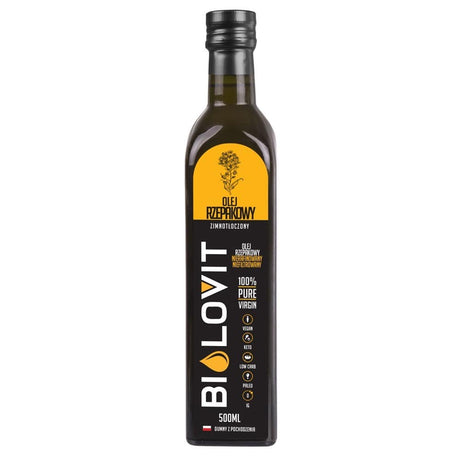


Bilovit
Bilovit řepkový olej lisovaný za studena - 500 ml
Běžná cena 150,49 KčJednotková cena300,98 Kč /l
Olvita
Olvita Lněný olej lisovaný za studena pro dietu Dr. Budwiga nečištěný - 500 ml
Běžná cena 295,89 KčJednotková cena591,78 Kč /l


Tento článek má pouze informativní charakter a nenahrazuje lékařskou radu. Máte-li zdravotní potíže, jste-li těhotná, kojíte nebo užíváte léky, poraďte se s lékařem nebo lékárníkem. Doplňky stravy nenahrazují pestrou stravu.


