

Ricinový olej patří k nejdostupnějším a nejrozšířenějším přírodním prostředkům, které lze najít v lékárnách po celé Evropě. Původně si získal oblibu jako projímadlo, ale v posledních letech se zájem výrazně přesunul k jeho kosmetickému využití. Od posílení vlasů a řas až po zjemnění drsné pokožky, nabízí ricinový olej překvapivě širokou škálu použití — a to vše z jediné, levné lahvičky. Co tedy přesně dokáže, a existují situace, kdy byste se mu měli vyhnout?
Co je ricinový olej a jak funguje
Ricinový olej se získává ze semen rostliny ricinového keře (Ricinus communis). Jedná se o hustý, světle žlutý rostlinný olej s charakteristickou viskózní konzistencí a jemnou, mírně ořechovou vůní. Jeho chemické složení je tvořeno převážně kyselinou ricinolejovou, což je mastná kyselina, která tvoří přibližně 90 % oleje a je z velké části zodpovědná za jeho jedinečné vlastnosti. Historicky byl ricinový olej nejznámější jako silné přírodní projímadlo. Při perorálním užití ho pankreatické enzymy přeměňují na sodná a draselná mýdla, která stimulují střevní sliznici a zvyšují peristaltiku. To přitahuje vodu do střevní stěny a vyvolává projímavý účinek. Dodnes zůstává ricinový olej osvědčeným prostředkem proti tvrdohlavé zácpě a je považován za šetrnější k tělu než mnoho volně prodejných alternativ. Ti, kteří se zajímají o širší zdraví trávicího ústrojí, mohou také prozkoumat naše doplňky stravy pro trávicí systém. Kromě trávení se ricinový olej tradičně používá jako obklad proti bolesti. Teplý hadřík namočený v ricinovém oleji a přiložený na dolní část zad, břicho nebo čelo může pomoci zmírnit nepříjemné pocity. Ačkoli tyto způsoby použití vycházejí spíše z lidové medicíny než z klinických studií, mnoho lidí je i nadále považuje za užitečné jako součást přirozené péče o sebe.
Ricinový olej na vlasy — růst, síla, a lesk
Jedním z nejoblíbenějších moderních použití ricinového oleje je péče o vlasy. Díky husté, a na živiny bohaté konzistenci je olej vhodný k výživě jak vlasů, tak pokožky hlavy. Pravidelné používání může časem přispět k silnějším, lesklejším, a odolnějším vlasům.
Vzhledem k tomu, že ricinový olej má hustou konzistenci, funguje nejlépe, když je smíchán s lehčími oleji, než když se nanáší samostatně. Mezi běžné kombinace patří smíchání s kokosovým olejem, jojobovým olejem, nebo arganovým olejem. Výslednou směs lze vmasírovat do pokožky hlavy, aby se podpořil celkový stav vlasů, nebo ji nanést na konečky, aby se uzamkla vlhkost a omezilo se třepení. Oblíbená domácí vlasová maska kombinuje ricinový olej s vaječnými žloutky a malým množstvím lehčího nosného oleje – nechá se působit 30–60 minut před umytím a tato kúra může pomoci obnovit hebkost a objem.
Výhody ricinového oleje se vztahují i na obočí a řasy. Nanášení malého množství čistým kartáčkem na obočí a řasy každý večer může, po několika týdnech pravidelného používání, vést k hustším a tmavším chloupkům. Je třeba dávat pozor, aby se olej nedostal přímo do očí, protože může způsobit dočasné zarudnutí a slzení.
Ricinový olej pro pokožku — od obličeje po chodidla
Ricinový olej je stejně ceněný v péči o pokožku, zejména pro suché, drsné, nebo ztvrdlé oblasti. Kyselina ricinolejová, kterou obsahuje, má přirozené zvlhčující a změkčující vlastnosti, které mohou prospívat pokožce několika způsoby.
Zjemnění drsné pokožky
Pravidelné vmasírování několika kapek ricinového oleje do drsných míst — jako jsou paty, lokty, a kolena — může časem pomoci pokožku zjemnit a vyhladit. U velmi suchých nebo popraskaných pat, dobře funguje intenzivnější noční ošetření: smíchejte ricinový olej s hustým hydratačním krémem, naneste ho velkoryse na chodidla, zabalte je do potravinářské fólie, a před spaním si nasaďte bavlněné ponožky. Do rána, by měla být pokožka znatelně měkčí a hydratovanější.
Čištění obličeje metodou OCM
Metoda čištění olejem OCM () si získala věrné příznivce mezi těmi, kteří preferují přírodní péči o pleť. Princip je jednoduchý – olej rozpouští olej, díky čemuž účinně odstraňuje make-up, maz, a nečistoty, aniž by pokožku vysušoval.
Pro metodu OCM, se ricinový olej míchá s lehčím nosným olejem v poměru vhodném pro váš typ pleti:
- Suchá pleť — 1 díl ricinového oleje na 9 dílů hroznového oleje
- Mastná pleť — 1 díl ricinového oleje na 9 dílů jojobového oleje
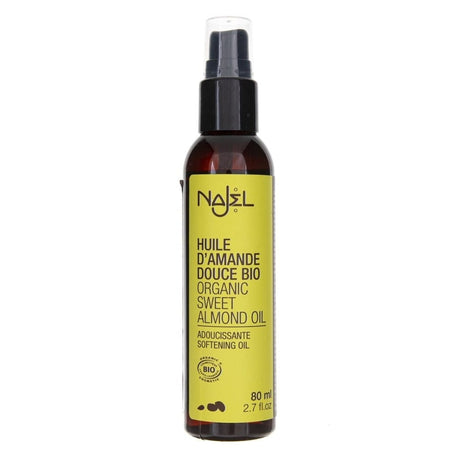
- Normální pleť — 1 díl ricinového oleje na 9 dílů oleje ze sladkých mandlí
Směs vmasírujte do suché pokožky, a poté obličej zakryjte teplým, vlhkým ručníkem na 2–3 minuty. Jemně setřete přebytečný olej. Tato metoda zanechává pokožku čistou, vyváženou a vyživenou, aniž by způsobovala pocit napnuté pokožky, který je typický pro pěnivé čisticí přípravky.
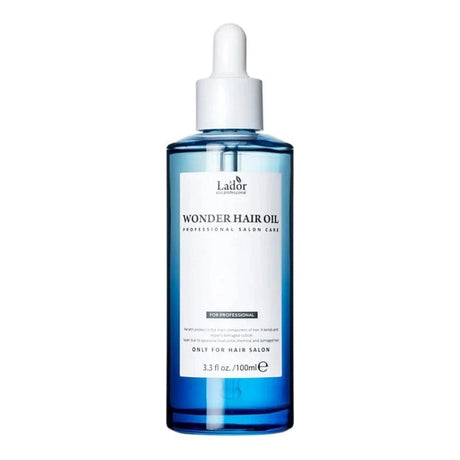
Pro ty, kteří chtějí vytvořit kompletní rutinu přírodní péče, je tu naše kolekce vlasových olejů, sér a sprejů nabízí řadu doplňkových produktů pro péči o vlasy i vlasovou pokožku.


Sunny Isle
Sunny Isle Jamajský černý ricinový olej Extra Dark - 236 ml
Běžná cena 277,79 KčJednotková cena1.177,08 Kč /l


Sunny Isle
Sunny Isle Jamaican Black Castor Oil – 118 ml
Běžná cena 243,59 KčJednotková cena2.064,32 Kč /l


Kontraindikace a bezpečnostní opatření
Ačkoli je ricinový olej při správném použití obecně bezpečný, je třeba mít na paměti důležitá bezpečnostní opatření v závislosti na tom, zda jej používáte zevně nebo vnitřně.
Zevní použití
Při aplikaci na kůži nebo vlasy, může ricinový olej občas vyvolat alergickou reakci, zejména u lidí s citlivou pokožkou nebo s anamnézou kontaktních alergií. Vždy je vhodné provést test na malé ploše kůže před aplikací ricinového oleje na větší plochu. Ženy by se také měly během menstruace vyvarovat používání ricinových obkladů.
Vnitřní použití
Orální užívání ricinového oleje vyžaduje dodržování významnějších bezpečnostních opatření:
- Těhotenství — ricinový olej by se během těhotenství neměl užívat perorálně, protože může stimulovat děložní kontrakce a vést k závažným komplikacím
- Kojení — složky ricinového oleje mohou přecházet do mateřského mléka, a jeho účinky na kojence nebyly dosud studovány
- Děti — před podáním ricinového oleje dítěti se vždy poraďte s lékařem
- Zánět břicha — ricinový olej by se neměl užívat při bolestech břicha, nevolnosti, nebo zvracení, protože by mohl tyto stavy zhoršit
Pro každodenní podporu zdraví, včetně pohodlí trávicího ústrojí, vitality pokožky, a zdraví vlasů zevnitř ven, prozkoumejte naše doplňky stravy pro vlasy, pokožku a nehty — praktický doplněk k jakékoli rutině vnější péče.


Klíčové sdělení: Ricinový olej je všestranný, cenově dostupný přírodní produkt s opravdovými přínosy pro vlasy, pokožku, a trávení. Ať už se používá jako přísada do vlasové masky, jako ošetření pro zjemnění pokožky nebo jako příležitostné projímadlo, klíčová je správná konzistence a aplikace. Vždy dodržujte kontraindikace – zejména při perorálním užívání během těhotenství – a pro komplexní výsledky zvažte kombinaci vnějších ošetření ricinovým olejem s cílenými doplňky stravy.
Tento článek má pouze informativní charakter a nenahrazuje lékařskou radu. Máte-li zdravotní potíže, jste-li těhotná, kojíte nebo užíváte léky, poraďte se s lékařem nebo lékárníkem. Doplňky stravy nenahrazují pestrou stravu.


