

Vitamin C se často označuje jako vitamin zdraví a mládí – a to z dobrého důvodu. Většina lidí si ho spojuje s posílením imunity, a instinktivně po něm sahá během podzimních a zimních měsíců, kdy vrcholí nachlazení a infekce. „Vezmi si trochu vitamínu C“ je pravděpodobně nejčastější zdravotní rada v Evropě. A i když je pravda, že vitamín C přispívá k normální funkci imunitního systému, jeho přínosy sahají daleko za prevenci nachlazení. Hraje zásadní roli v produkci kolagenu, zdraví srdce, vitalitě pokožky, hojení ran, a antioxidační ochraně — což z něj činí jednu z nejvšestrannějších a nejdůležitějších živin pro každodenní pohodu.
Porozumění vitamínu C — formy, na kterých záleží
Trh s doplňky stravy s vitamínem C je obrovský, a ne všechny produkty jsou stejné. Klíčovým rozlišovacím znakem není jen dávka uvedená na etiketě — je to forma vitamínu C a to, jak dobře ji vaše tělo dokáže skutečně vstřebat a využít. Je třeba rozlišovat tři hlavní kategorie:
Přírodní vitamín C
Nachází se v doplňcích stravy na bázi rostlinných extraktů, jako jsou šípky, třešně acerola, nebo camu camu. Přírodní vitamín C obsahuje přirozeně se vyskytující bioflavonoidy a kofaktory, které mohou zlepšit vstřebávání a využití. Tyto rostlinné formy mají tendenci nabízet vynikající biologickou dostupnost a jsou obecně dobře snášeny trávicím systémem.
Syntetický vitamín C (Kyselina askorbová)
Nejběžnější forma v doplňcích stravy. Syntetická kyselina askorbová je chemicky identická s vitamínem C nacházejícím se v potravinách, ale postrádá přírodní kofaktory přítomné v rostlinných zdrojích. Je cenově dostupná a široce dostupná, ale u některých jedinců může při vyšších dávkách docházet k mírným zažívacím potížím. Biologická dostupnost je střední – pro většinu účelů dostačující, ale ne pro každého optimální. Liposomální vitamín C – pokročilejší forma, ve které je vitamín C zapouzdřen v liposomech – drobných kuličkách na bázi tuku, které chrání vitamín při průchodu trávicím systémem. To výrazně zlepšuje vstřebávání a snižuje žaludeční vedlejší účinky, které se mohou vyskytnout při vysokých dávkách kyseliny askorbové. Liposomální vitamín C je obzvláště cenný, když jsou zapotřebí vyšší terapeutické dávky nebo když je problémem citlivost trávicího traktu.
Jak vybrat nejlepší doplněk stravy s vitamínem C
Vzhledem k tak velkému množství dostupných možností, uvádíme klíčové faktory, které je třeba zvážit při výběru produktu s vitamínem C:
1. Biologická dostupnost na prvním místě
Nejlepší doplněk vitamínu C je ten, který vaše tělo skutečně dokáže využít. Upřednostňujte přírodní formy s šípky a bioflavonoidy, nebo liposomální přípravky pro maximální vstřebávání. Standardní kyselina askorbová je přijatelná pro každodenní udržovací dávky, ale nemusí být nejlepší volbou pro protokoly s vyššími dávkami nebo pro osoby s citlivým žaludkem.
2. Vhodné dávkování
Denní požadavky na vitamín C se liší podle věku a pohlaví:
- Děti — přibližně 40–50 mg denně
- Ženy — přibližně 70 mg denně
- Muži — přibližně 90 mg denně
Jedná se o základní udržovací dávky. Během období nemoci, vysokého stresu, nebo intenzivní fyzické aktivity, se požadavky mohou zvýšit. Buďte však opatrní u produktů, které se propagují tvrzením „500 % denní hodnoty“ — vitamin C je rozpustný ve vodě a tělo vylučuje to, co nedokáže vstřebat, takže megadávky nemusí nutně znamenat mega-přínosy. Je účinnější užívat pravidelně mírné dávky než tělo přetížit jednorázovým velkým množstvím.
3. Formulace s prodlouženým uvolňováním vs. okamžitým uvolňováním
Vzhledem k tomu, že vitamín C je rozpustný ve vodě, je rychle vstřebáván a vylučován. Přípravky s postupným uvolňováním (a pomalým uvolňováním) jsou navrženy tak, aby uvolňovaly vitamín C postupně v průběhu několika hodin, a udržovaly tak po celý den konzistentnější hladiny v krvi. To může být obzvláště výhodné pro ty, kteří dávají přednost jedné denní dávce před rozdělením na jednotlivá jídla.
4. Přidané kofaktory
Některé z nejúčinnějších doplňků vitamínu C obsahují přírodní kofaktory, které zvyšují vstřebávání a účinnost:
- Šípky (Rosa canina) — přírodní zdroj vitamínu C a bioflavonoidů, které podporují vstřebávání
- Bioflavonoidy — rostlinné sloučeniny, které synergicky působí s vitamínem C, zvyšují jeho antioxidační kapacitu a podporují zdraví kapilár
- Citrusové bioflavonoidy — běžně přidávané do přípravků s vitamínem C pro jejich doplňkové antioxidační účinky
Dostupné typy doplňků stravy s vitamínem C
Pochopení různých kategorií produktů vám pomůže vybrat ten správný doplněk stravy, který bude odpovídat vašemu životnímu stylu a potřebám:
Vitamin C s šípky kombinuje kyselinu askorbovou s přírodním extraktem ze šípků, a poskytuje bioflavonoidy, které zvyšují vstřebávání. K dispozici v různých dávkách (500 mg a 1, 000 mg), tyto přípravky nabízejí praktickou rovnováhu mezi účinností, přírodností, a cenovou dostupností. Jsou vynikající volbou pro každodenní podporu imunity a antioxidační ochrany.
Vitamin C s prodlouženým uvolňováním dodává vitamín postupně v průběhu několika hodin, čímž se vyhýbá rychlému nárůstu a poklesu hladiny v krvi, který je typický pro standardní tablety. Tato forma je ideální pro ty, kteří chtějí mít po celý den konzistentní hladinu vitaminu C z jedné dávky.
Liposomální vitamín C představuje variantu s nejvyšší absorpcí. Lipidové zapouzdření chrání vitamín C před degradací v žaludku a usnadňuje přímé dodání do buněk. Liposomální vitamín C, který je obvykle k dispozici v sáčcích nebo v tekuté formě, je preferovanou volbou pro protokoly s vyššími dávkami a pro osoby s citlivým zažíváním.
Standardní kapsle s vitamínem C nabízejí jednoduché a praktické doplnění stravy za konkurenceschopné ceny. I když může být jejich vstřebatelnost nižší než u vylepšených forem, poskytují spolehlivé denní pokrytí pro osoby se zdravým zažíváním a mírnými požadavky. Pro náš kompletní výběr, si prohlédněte kolekci vitamínu C na Medpak.


Now Foods
Now Foods Vitamin C-1000 s růžovými šípky a bioflavonoidy - 100 tablet
Běžná cena 252,09 KčJednotková cena2,52 Kč za každou položku


Now Foods
Now Foods Vitamin C-1000 Sustained Release - 250 tablet
Běžná cena 579,19 KčJednotková cena2,32 Kč za každou položku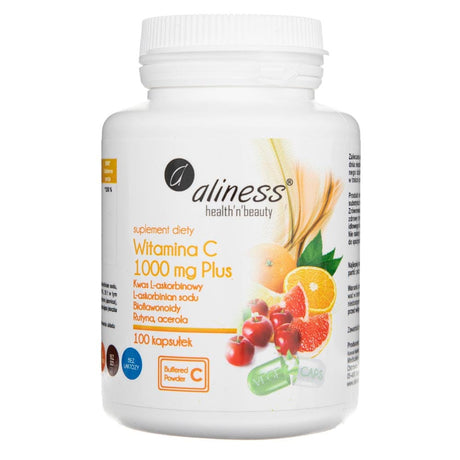


Aliness
Aliness Vitamin C 1000 mg - 100 veg. kapslí
Běžná cena 288,19 KčJednotková cena2,88 Kč za každou položku


Now Foods
Now Foods Vitamin C-500 se šípky - 100 tablet
Běžná cena 154,39 KčJednotková cena1,54 Kč za každou položku


Now Foods
Now Foods Vitamin C-1000 Sustained Release - 100 tablet
Běžná cena 270,09 KčJednotková cena2,70 Kč za každou položku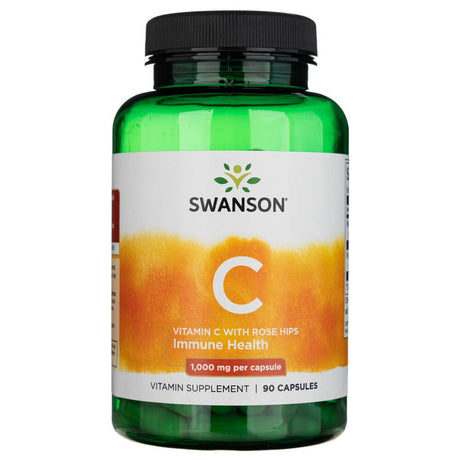


Swanson
Swanson Vitamin C se šípky 1000 mg - 90 kapslí
Běžná cena 174,99 KčJednotková cena1,94 Kč za každou položku


Jak užívat vitamín C pro dosažení nejlepších výsledků
I vysoce kvalitní doplněk stravy může mít nedostatečný účinek, pokud se užívá nesprávně. Zde jsou praktické tipy pro maximalizaci účinnosti vitamínu C:
- Rozdělte si dávku — pokud užíváte více než 500 mg denně, rozdělení na dvě nebo tři dávky zlepšuje vstřebávání. Tělo dokáže najednou vstřebat pouze omezené množství vitamínu C; přebytek se vylučuje močí.
- Užívejte s jídlem — ačkoli vitamín C lze užívat na lačno, jídlo před užitím snižuje riziko žaludečních potíží, zejména u forem kyseliny askorbové.
- Buďte důslední — vitamín C se v těle neukládá na dlouhou dobu. K udržení optimální hladiny je nutný denní příjem.
- V případě potřeby kombinujte se železem — vitamín C výrazně zvyšuje vstřebávání železa. Pokud užíváte doplňky železa kvůli jeho nedostatku, může jeho užívání společně s vitamínem C zlepšit výsledky.
- Vyhněte se horkým nápojům — vitamín C je citlivý na teplo. Nerozpouštějte jej ve vroucí vodě ani v horkých nápojích, protože tím se vitamín rozkládá.
Komu doplnění vitamínu C prospěje nejvíce?
Ačkoli každý potřebuje dostatečný příjem vitamínu C, určité skupiny jsou vystaveny vyššímu riziku jeho nedostatku nebo mají zvýšené požadavky:
- Kuřáci — kouření urychluje vyčerpání zásob vitamínu C. Kuřáci mohou potřebovat o 35 mg/den více než nekuřáci, aby si udrželi stejnou hladinu v krvi.
- Lidé pod chronickým stresem — nadledvinky spotřebovávají velké množství vitamínu C během stresových reakcí, což zvyšuje poptávku.
- Starší dospělí — účinnost vstřebávání s věkem klesá, a současně často klesá i příjem z potravy.
- Sportovci a aktivní jedinci — intenzivní fyzická aktivita zvyšuje oxidační stres a obrat vitamínu C.
- Osoby zotavující se z nemoci nebo operace — vitamín C podporuje imunitní reakci a procesy hojení ran.
- Lidé s omezeným příjmem ovoce a zeleniny — vitamín C musí pocházet ze stravy nebo doplňků stravy, protože tělo si jej nedokáže samo vyrobit.
Pro komplexní podporu imunity nad rámec samotného vitamínu C, prozkoumejte naše doplňky stravy pro imunitní systém. Ti, kteří se zaměřují na zdraví pokožky a tvorbu kolagenu, mohou také těžit z naší kolekce pro vlasy, pokožku a nehty.
Vitamín C a kolagen — silné partnerství
Jednou z nejdůležitějších, ale často opomíjených rolí vitamínu C je jeho přínos k normální tvorbě kolagenu. Bez dostatečného množství vitamínu C, tělo nedokáže účinně produkovat kolagen — což má dopad na pevnost pokožky, pohyblivost kloubů, zdraví dásní, a hojení ran. Proto se nedostatek vitamínu C v minulosti projevoval jako kurděje, charakterizované kožními lézemi, krvácením z dásní, a špatným hojením ran.
Pro ty, kteří užívají kolagenové doplňky na podporu pokožky nebo kloubů, je zajištění dostatečného příjmu vitamínu C nezbytné, aby z jejich investice vytěžili maximum. Tyto dvě živiny spolu úzce spolupracují, a jejich kombinace je chytrou strategií pro každého, kdo upřednostňuje vitalitu pokožky nebo pohodlí kloubů.
Výběr správného vitamínu C — shrnutí
Nejlepší doplněk stravy s vitamínem C odpovídá vašim konkrétním potřebám, životnímu stylu, a zažívací toleranci. Pro každodenní podporu imunity, nabízí vynikající hodnotu standardní vitamín C s šípky a bioflavonoidy. Pro ty, kteří potřebují vyšší dávky nebo trpí citlivým zažíváním,, jsou chytřejší volbou liposomální přípravky nebo přípravky s postupným uvolňováním. Vyhněte se honbě za megadávkami – místo toho se zaměřte na pravidelný denní příjem dobře vstřebatelné formy od důvěryhodného výrobce. Prohlédněte si náš kompletní sortiment vitamínů a doplňků stravy a vytvořte si komplexní denní wellness rutinu.
Klíčové sdělení: Nejlepší doplněk vitamínu C se definuje podle biologické dostupnosti, ne jen podle miligramů. Upřednostňujte přírodní formy s šípky a bioflavonoidy, zvažte liposomální formu pro vyšší dávky, a užívejte pravidelně s jídlem. Rozdělte větší dávky pro lepší vstřebávání, a pamatujte, že vitamín C je nezbytný pro produkci kolagenu – což z něj dělá stejně tak vitamín pro krásu jako pro zdraví.
Tento článek má pouze informativní charakter a nenahrazuje lékařskou radu. Máte-li zdravotní potíže, jste-li těhotná, kojíte nebo užíváte léky, poraďte se s lékařem nebo lékárníkem. Doplňky stravy nenahrazují pestrou stravu.


