

Dudlík patří mezi první položky na seznamu nákupů každého nového rodiče – a zároveň patří k těm, které vyvolávají nejvíce nejasností. Trh nabízí desítky tvarů, materiálů, velikostí, a věkových skupin, a mnoho dudlíků je navrženo tak, aby vypadaly neodolatelně TiB pro rodiče, spíše než aby sloužily skutečným fyziologickým potřebám novorozence. Estetiku stranou – výběr správného dudlíku je rozhodnutí, které ovlivňuje vývoj ústní dutiny vašeho dítěte, jeho spánkové návyky a úspěšnost krmení. Zde je praktický průvodce založený na důkazech, který vám pomůže vybrat správně hned od začátku.
Kdy můžete dát novorozenci dudlík?
Každé dítě se rodí s sacím reflexem – je to jak mechanismus přežití, tak chování k uklidnění, které snižuje stres a nepohodlí. Některá miminka jsou více orientovaná na ústa než jiná a budou spokojeně sát po delší dobu. Dudlík je legitimní nástroj k uspokojení této potřeby, ale na načasování záleží.
Pro kojící matky, je obecné doporučení počkat, až se kojení dobře ustálí, než se zavede dudlík – obvykle 3 až 6 týdnů po porodu. Důvod je jednoduchý: sání dítěte z prsu stimuluje produkci mléka. Pokud je tato potřeba sání pravidelně přesměrována na dudlík předtím, než se ustálí tvorba mléka, prsa nedostávají dostatečnou stimulaci a produkce mléka nemusí dosáhnout úrovně, kterou dítě potřebuje. Navíc, se mechanika sání dudlíku a bradavky liší – brzké zavedení může někdy narušit to, jak se dítě učí správně přisát. U dětí krmených umělou výživou není načasování tak kritické. Silikon vs. latex: Který materiál je lepší? Dudlíky se vyrábějí ze dvou materiálů a rozdíly mezi nimi jsou významné. Latexové (dudlíky) z přírodního kaučuku jsou měkké, pružné, a žluté barvy. Vyžadují menší sací sílu a jsou šetrné k citlivým dásním, ale rychleji se opotřebovávají, jsou náchylnější k deformaci a roztržení a mohou u dětí citlivých na latex vyvolat alergické reakce. Také je nutné je častěji vyměňovat.
Silikonové dudlíky jsou z dobrého důvodu oblíbenější volbou. Jsou pevnější, spolehlivě drží tvar, neuchovávají tak snadno pachy ani bakterie, a nezpůsobují alergické reakce. Jsou odolnější a snáze se sterilizují. Mírná dodatečná pevnost není nevýhodou — lépe napodobuje přirozený odpor prsní tkáně při sání. Pro většinu dětí je silikon doporučeným standardním materiálem. Tvar je důležitý: Co je ortodontický dudlík?
Tvar dudlíku je nejdůležitějším faktorem pro vývoj zubů a čelisti. Obavy, že dudlíky způsobují problémy se skusem, jsou oprávněné – ale týkají se především špatně tvarovaných dudlíků používaných nadměrně, nikoli dobře navržených dudlíků používaných správně.
Ortodontický anatomický) dudlík je navržen tak, aby napodoboval tvar bradavky během aktivního kojení: zploštělý na straně jazyka a mírně klenutý na straně patra. Tento tvar podporuje přirozené držení jazyka a vývoj čelisti, tím, že rozkládá tlak symetricky, místo aby nutil vyvíjející se patro do abnormálního tvaru. Štít (, tedy disk, který tlačí na obličej dítěte), by měl být široký Enough, aby přiléhal k rtům a tvářím, ale nikdy nesmí zakrývat nos — volné dýchání je nezbytné. Vyberte si štít s otvory, který umožňuje cirkulaci vzduchu a zabraňuje podráždění kůže kolem úst.
Velikost podle věku: Výběr správné velikosti
Příliš velký dudlík může bránit dýchání a vyvíjet nadměrný tlak na vyvíjející se dásně. Příliš malý dudlík poskytuje nedostatečnou orální stimulaci a může představovat riziko udušení, pokud se savička oddělí. Vždy volte dudlík podle věkového rozmezí doporučeného výrobcem. Pro novorozence, hledejte produkty označené 0–2 měsíce nebo 0–3 měsíce – ty mají nejmenší průměr savičky vhodný pro ústa novorozence. K dispozici jsou širší věkové rozmezí 0–6 měsíců, ale pro první týdny se jedná spíše o kompromisní řešení než o ideální volbu.
Dudlíky pro novorozence: Philips Avent Ultra Start
Řada Philips Avent Ultra Start je navržena speciálně pro období 0–2 měsíců – nejmenší velikost savičky v nabídce Avent, s extra měkkou silikonovou savičkou a lehkým štítkem, který minimalizuje tlak na jemnou tvář novorozence. K dispozici v několika barevných variantách, vždy prodávané v párech (, abyste měli vždy po ruce čistou náhradní sadu):


 10% sleva
Philips
Philips Avent Dudlík Ultra Start,0-2 měsíce - 2 kusy
Akční cena 141,89 Kč Běžná cena 157,69 KčJednotková cena


Dudlíky pro děti od 0 do 6 měsíců: Philips Avent Ultra Air
Řada Ultra Air přináší design štítku s otvory, který umožňuje cirkulaci vzduchu na pokožce, a snižuje tak hromadění vlhkosti a podráždění — což je obzvláště užitečné, protože děti tráví s dudlíky během dne dlouhou dobu. K dispozici v ortodontickém tvaru pro děti od 0 do 6 měsíců a v barevných kombinacích pro chlapce a dívky:

Philips
Philips Dudlík Avent Ultra Air, 0–6 měsíců, pro chlapce – 2 kusy
Běžná cena 184,29 KčJednotková cena

Dudlíky na spaní: Varianta svítící ve tmě
Když dítě usne s dudlíkem a pak se probudí, protože mu vypadl z úst, může být jeho hledání v temné místnosti frustrující pro všechny. Dudlíky svítící ve tmě tento problém elegantně řeší: štít absorbuje okolní světlo a ve tmě jemně svítí, což usnadňuje jeho nalezení a vyjmutí z postýlky, aniž by se dítě úplně probudilo nebo bylo nutné rozsvítit světlo.
Stojí za zmínku, že dudlíky během spánku jsou v pořádku, když dítě usíná, ale není nutné je vkládat zpět, jakmile dítě spí hluboce. Většina dětí dudlík po usnutí spontánně vypustí — a jeho opětovné vložení, když vypadne, vytváří spánkovou asociaci, která vede k nočnímu buzení. Nechte ho vypadnout přirozeně.
Hygiena: Sterilizace a čištění
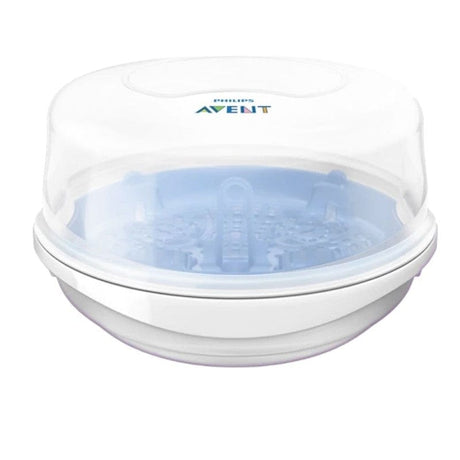
Každý nový dudlík by měl být před prvním použitím sterilizován – účinné je vaření po dobu 3–5 minut nebo použití mikrovlnného sterilizátoru. Po každém použití, omyjte teplou vodou a jemným mýdlem, důkladně opláchněte, a pravidelně sterilizujte. Nikdy „nečistěte“ dudlík, který spadl na zem, tím, že si ho dáte do úst – tímto způsobem se mohou bakterie z úst dospělého přenést na dítě. Speciální čistič na lahve a dudlíky, nebo mikrovlnný sterilizátor, usnadňují udržování hygieny:


 5% sleva
Philips
Philips Avent Sterilizátor do mikrovlnné trouby
Akční cena 711,61 Kč Běžná cena 750,49 KčJednotková cena


Kdy jsou dudlíky v pořádku – a kdy mohou způsobit problémy
Obavy ohledně vlivu dudlíků na vývoj dítěte jsou reálné, ale podmíněné. Správně zvolený ortodontický dudlík používaný vhodným způsobem nezpůsobí zubní problémy. Problémy vznikají při dlouhodobém používání po 2–3 letech věku, při používání špatně tvarovaných konvenčních dudlíků, nebo při pravidelném denním používání, které omezuje dobu odpočinku ústní dutiny. Nejbezpečnější přístup: používejte ortodontický dudlík správné velikosti k uklidnění a usnutí, nechte dítě, aby si ho během spánku samo vyndalo, nepoužívejte ho jako automatickou reakci na každý pláč, a naplánujte postupné odvykání od 12–18 měsíců.
Prohlédněte si náš kompletní sortiment dětských doplňků a produktů pro péči o novorozence v kolekci Dudlíky a v širší sekci Kategorie Krmení dětí.
Tento článek má pouze informativní charakter a nenahrazuje lékařskou radu. Máte-li zdravotní potíže, jste-li těhotná, kojíte nebo užíváte léky, poraďte se s lékařem nebo lékárníkem. Doplňky stravy nenahrazují pestrou stravu.


