

V každém z nás žije ekosystém mimořádné složitosti. Střevní mikrobiom – společenství bakterií, hub, archeí, a virů obývajících gastrointestinální trakt – početně převyšuje buňky lidského těla, a jeho metabolická aktivita je tak rozsáhlá, že je někdy popisován jako virtuální orgán. Porozumění tomu, co tato komunita dělá, jak ji narušuje moderní život a jaké kroky založené na důkazech mohou pomoci udržet nebo obnovit její zdraví, je jednou z nejpraktičtějších oblastí současné výživové vědy.
Co je střevní mikrobiom?
Střevní mikrobiom označuje souhrnný genom všech mikroorganismů obývajících gastrointestinální trakt, zatímco mikrobiota označuje samotné organismy. Tlusté střevo ((kolon)) je nejhustěji osídlenou oblastí, která obsahuje drtivou většinu z přibližně 38 bilionů mikrobiálních buněk v těle — jejich hmotnost může u zdravého dospělého dosáhnout 1–2 kg.
Tato mikrobiální komunita zahrnuje odhadem 300–1, 000 bakteriálních druhů, u většiny zdravých dospělých dominují dva kmeny: Firmicutes a Bacteroidetes. Mikrobiom každého člověka je stejně individuální jako otisk prstu — utvářený genetikou, způsobem porodu (vaginální porod versus císařský řez), raným krmením (kojení versus umělá výživa), expozicí probiotikům, stravou a životním stylem v průběhu celého života. Tato individualita znamená, že to, co tvoří „zdravý“ mikrobiom, není jediný definovaný stav, ale rozmanitá, odolná komunita přizpůsobená svému individuálnímu hostiteli.
Mikrobiom není statický — mění se v závislosti na tom, co jíme, zda cvičíme, jak jsme stresovaní, jaké léky užíváme, a na ročním období. Tato plasticita je jak zranitelností (– může být relativně rychle narušena) – tak i příležitostí (– může být také významně zlepšena trvalou změnou stravy a životního stylu).
Co vlastně střevní mikrobiom dělá?
Funkční přínosy střevního mikrobiomu pro lidské zdraví jsou pozoruhodně široké:
- Fermentace a produkce krátkých mastných kyselin (SCFA) — střevní bakterie fermentují vlákninu a rezistentní škrob, které lidské enzymy nedokážou strávit, a produkují butyrát, propionát, a acetát. Butyrát je primárním zdrojem energie pro kolonocyty (buňky výstelky tlustého střeva), propionát je transportován do jater, kde ovlivňuje metabolismus glukózy, a acetát má systémové účinky na chuť k jídlu a metabolismus lipidů. Tato produkce SCFA je možná klinicky nejvýznamnějším metabolickým přínosem mikrobiomu.
- Syntéza vitamínů — střevní bakterie syntetizují vitamín K2 (, především formy MK-7 a MK-4), několik vitamínů skupiny B včetně folátu, biotinu, riboflavinu, a kobalaminu (B12), čímž významně přispívají k celkovému stavu mikroživin.
- Vývoj a regulace imunitního systému — přibližně 70–80 % tkáně imunitního systému je spojeno se střevem. Mikrobiota je nezbytná pro vývoj slizniční imunity v raném věku, pro výcvik imunitního systému v rozlišování patogenů od vlastních tkání a neškodných potravinových antigenů, a pro průběžnou modulaci zánětlivých reakcí. Dysbióza — narušení mikrobiální komunity — je trvale spojena s dysregulovanými imunitními reakcemi.
- Integrita střevní bariéry — komenzální bakterie udržují těsné spoje mezi střevními epiteliálními buňkami a stimulují produkci mucinu, čímž zachovávají bariéru oddělující střevní obsah od krevního řečiště. Produkce SCFA, zejména butyrátu, přímo podporuje tuto bariérovou funkci.
- Metabolické funkce — mikrobiom se podílí na metabolismu lipidů a žlučových kyselin, ovlivňuje recyklaci cholesterolu, a hraje roli v citlivosti na inzulín a získávání energie z potravy.
- Osa střevo-mozek — obousměrná komunikace mezi střevní mikrobiotou a centrálním nervovým systémem — prostřednictvím bloudivého nervu, imunitní signalizace, a mikrobiálněprodukovaných prekurzorů neurotransmiterů, včetně serotoninu (90 % serotoninu v těle se produkuje ve střevech) — je to stále více zkoumaná oblast spojující složení mikrobiomu s náladou, kognicí, a reakcí na stres.
Co je dysbióza a proč je důležitá?
Dysbióza označuje narušení složení, rozmanitosti, nebo metabolické funkce střevní mikrobioty — posun od odolné, rozmanité komunity k takové, která je ochuzená o rozmanitost, obohacená o potenciálně škodlivé druhy, nebo ochuzená o prospěšné klíčové druhy. Je spojena s, a v mnoha případech je příčinou, široké škály onemocnění, včetně:
- Syndrom dráždivého tračníku (IBS) a zánětlivé onemocnění střev (IBD)
- Obezita a metabolický syndrom
- Diabetes 2. typu
- Alergické a atopické stavy (ekzém, potravinová alergie, astma)
- Autoimunitní onemocnění včetně revmatoidní artritidy, roztroušené sklerózy, a celiakie
- Poruchy nálady včetně úzkosti a deprese
- Zvýšená náchylnost k infekcím
Tento vztah je často obousměrný — dysbióza může tyto stavy vyvolat nebo zhoršit, a tyto stavy mohou dále narušovat mikrobiom. Tato komplexnost činí z mikrobiomu skutečně slibný terapeutický cíl, zároveň však vyžaduje opatrnost ohledně příliš zjednodušených tvrzení o příčině a následku.
Běžné příčiny dysbiózy
Mezi nejvýznamnější faktory narušující zdraví mikrobiomu v moderním životě patří:
- Užívání antibiotik TiB — nejzávažnější a nejvýznamnější narušitel; širokospektrální antibiotika mohou během několika dní eliminovat podstatnou část střevní mikroflóry. R Ecover y se liší — některé narušení mohou přetrvávat měsíce či roky, a určité prospěšné druhy se nemusí vrátit bez záměrného zásahu.
- Strava založená na ultra-zpracovaných potravinách — s nízkým obsahem vlákniny (, která živí prospěšné bakterie), s vysokým obsahem emulgátorů a přísad, které přímo narušují slizniční vrstvu a bakteriální společenstva, a s nízkým obsahem rozmanitých rostlinných látek, které podporují mikrobiální rozmanitost.
- Chronický stres — stresové hormony mění střevní motilitu, imunitní reakci sliznice, a složení mikrobiomu prostřednictvím neuroimunitních drah.
- Fyzická nečinnost — cvičení má prokazatelně pozitivní účinky na mikrobiální diverzitu; sedavý životní styl je spojen s méně diverzifikovanými mikrobiomy.
- Inhibitory protonové pumpy (PPI), NSAID, a další léky — široce používané skupiny léků s prokázanými účinky na složení mikrobiomu, které jsou často podceňovány.
Strava: Nejmocnější nástroj pro zdraví mikrobiomu
Ze všech ovlivnitelných faktorů, má strava nejkonzistentnější a nejlépe zdokumentovaný vliv na složení mikrobiomu. Klíčové zásady stravování:
- Rozmanitost rostlinných potravin — výzkum American Gut Project zjistil, že lidé, kteří jedí 30 nebo více různých rostlinných potravin týdně, mají výrazně rozmanitější mikrobiomy než ti, kteří jedí méně než 10. Různé rostlinné potraviny živí různé druhy bakterií; rozmanitost vstupů vede k rozmanitosti společenství. Snažte se o pestrost v rámci zeleniny, ovoce, luštěnin, celozrnných výrobků, ořechů, semen, a bylinek.
- Vláknina — primární zdroj potravy pro střevní bakterie; většina lidí v Evropě konzumuje mnohem méně než doporučených 25–30 g denně. Zvýšení příjmu z různých zdrojů celozrnných potravin je nejúčinnější změnou stravy pro zdraví mikrobiomu.
- Fermentované potraviny — studie ze Stanfordu z roku 2021 zjistila, že strava s vysokým obsahem fermentovaných potravin (jogurt, kefír, kimči, zelí, kombucha, fermentovaná zelenina) zvýšila diverzitu mikrobiomu a snížila zánětlivé markery více než samotná strava s vysokýmstrava bohatá na vlákninu. Mezi přírodní zdroje živých bakterií patří: UNS neslazený přírodní jogurt, kefír, kimči, kyselé zelí, miso, a přirozeně fermentované nakládané okurky. Tyto potraviny jsou doplňkem k, a nelze je zaměňovat za, probiotické doplňky.
- Potraviny bohaté na polyfenoly — bobule, hořká čokoláda, olivový olej, a zelený čaj obsahují polyfenoly, které jsou ve střevech intenzivně fermentovány střevními bakteriemi a selektivně podporují prospěšné druhy, včetně Akkermansia muciniphila, které jsou spojeny s integritou střevní bariéry a metabolickým zdravím.
- Minimalizace ultra-zpracovaných potravin — zejména těch, které obsahují syntetické emulgátory (, polysorbát-80,, a karboxymethylcelulózu),, u nichž bylo ve studiích na zvířatech a lidech prokázáno, že narušují slizniční vrstvu a mění složení mikrobiomu způsobem, který podporuje zánět.
Probiotika: Co to je a kdy pomáhají
Probiotika jsou definována jako živé mikroorganismy, které, při podání v adekvátním množství, přinášejí hostiteli zdravotní prospěch. Důkazní základna se značně liší podle kmene, dávky, a stavu — jedná se o obor, kde specifičnost kmene hraje obrovskou roli. Probiotikum studované pro TiB průjem spojený s infekcí (, např., Lactobacillus rhamnosus GG), nemusí mít prokázaný přínos pro IBS, a naopak. Situace, ve kterých má suplementace probiotiky nejsilnější důkazy, zahrnují: během a po antibiotické léčbě — probiotika významně snižují riziko TiB průjmu spojeného s antibiotiky a podporují rychlejší obnovu mikrobiomu Ecover. Současná doporučená praxe je užívat je 2 hodiny po každé dávce antibiotik (, aby se oddělily od baktericidního účinku antibiotik), a pokračovat v užívání po dobu 3 a více měsíců po ukončení léčby.
Při výběru probiotického doplňku, věnujte pozornost: Počet CFU ((kolonie tvořících jednotek) — počet živých bakterií v jedné dávce), konkrétní kmeny (, nejen druh), zda je produkt formulován tak, aby přežil žaludeční kyselinu, a požadavky na skladování. Naše kolekce probiotik zahrnuje pečlivě sestavené varianty pro různé potřeby:

Swanson
Swanson Epic Pro 25 kmenů probiotik - 30 veg. kapslí
Běžná cena 367,99 KčJednotková cena12,27 Kč za každou položku


Healthy Origins
Healthy Origins Přírodní probiotikum 30 miliard CFU - 60 Veg kapslí
Běžná cena 815,79 KčJednotková cena13,60 Kč za každou položku
Now Foods
Now Foods Clinical GI Probiotic - 60 veg. kapslí
Běžná cena 541,99 KčJednotková cena9,03 Kč za každou položku


Now Foods
Now Foods Acidophilus & Bifidus 8 miliard CFU - 60 veg. kapslí
Běžná cena 319,39 KčJednotková cena5,32 Kč za každou položku


Prebiotika: Výživa správných bakterií
Prebiotika jsou nestravitelné TiB složky potravy — především specifické druhy vlákniny — které selektivně stimulují růst a aktivitu prospěšných střevních bakterií. Jsou palivem, které určuje, zda se vaše probiotická suplementace uchytí a zda se vaše přirozené prospěšné druhy budou dařit.
Hlavní typy prebiotik: inulin a FOS (fruktooligosacharidy), obsažené v česneku, cibuli, póru, chřestu, čekance, a topinamburech; GOS (galaktooligosacharidy), obsažené v luštěninách a některých mléčných výrobcích; a rezistentní škrob, obsažený v ochlazených vařených bramborách a rýži, mírně nedozrálých banánech, a celozrnném ovsu. Psylliové slupky — ačkoli působí především jako rozpustná vláknina a objemové činidlo — mají také prebiotické vlastnosti díky částečnému kvašení v tlustém střevě.
Synbiotika — produkty kombinující probiotika a prebiotika — jsou logicky navrženy: prebiotická složka poskytuje selektivní výživu pro probiotické kmeny, což potenciálně zlepšuje jejich přežití a kolonizaci. Kombinované produkty v naší kolekci pro trávicí systém zahrnují synbiotické přípravky vedle samostatných prebiotických variant:


Now Foods
Now Foods Prebiotický inulin v čistém prášku, organický - 227 g
Běžná cena 296,39 KčJednotková cena1.305,68 Kč /kg


 15% sleva
Aliness
Aliness ProbioBalance Starter Balance Probiotika a prebiotika - 30 veg. kapslí
Akční cena 181,43 Kč Běžná cena 214,69 KčJednotková cena6,05 Kč za každou položku
Solgar
Solgar Psyllium Husks Fiber 500 mg - 200 veg. kapslí
Běžná cena 654,39 KčJednotková cena3,27 Kč za každou položku


Podpora integrity střevní bariéry
Kromě probiotik a prebiotik, mají dvě živiny specifický mechanistický význam pro funkci střevní bariéry, který stojí za zmínku:
L-glutamin je primárním zdrojem energie pro střevní epitelové buňky (, na rozdíl od kolonocytů, které využívají butyrát). Je podmíněně esenciální v obdobích střevního stresu — nemoci, intenzivního cvičení, antibiotické léčby, a chirurgického zákroku Ecover — a představuje v těchto situacích nutriční intervenci s nejširší vědeckou podporou pro udržení integrity střevní sliznice. Je široce používán gastroenterology jako podpůrné opatření při léčbě zánětlivých onemocnění střev.
Butyrát sodný — solná forma butyrátu, krátkého řetězcového mastného kyseliny (SCFA), kterou kolonocyty využívají jako primární zdroj energie — může být doplňován přímo, pokud je endogenní produkce střevními bakteriemi nedostatečná. Formáty s mikroenkapsulací nebo s postupným uvolňováním jej dodávají do tlustého střeva v neporušené formě. Má zdokumentovanou evidenční základnu pro zmírnění příznaků IBS a podporuje integritu sliznice tlustého střeva.
Společně s dietou bohatou na vlákninu a vhodně zvoleným probiotikem, tvoří tyto cílené živiny pro střevní bariéru komplexní přístup k podpoře zdraví střev. Prozkoumejte naši kolekci zaměřenou na imunitní systém z hlediska propojení imunitního systému a střev, a:

Aliness
Aliness Butyrát sodný 720 mg - 100 kapslí
Běžná cena 316,89 KčJednotková cena3,17 Kč za každou položku
 10% sleva
Ostrovit
Ostrovit Butyrát sodný - 90 kapslí
Akční cena 184,02 Kč Běžná cena 204,49 KčJednotková cena2,04 Kč za každou položku


Aliness
Aliness L-Glutamin 500 mg - 100 kapslí
Běžná cena 219,69 KčJednotková cena2,20 Kč za každou položku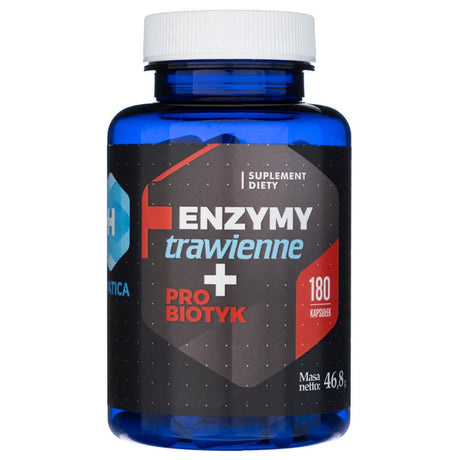


Hepatica
Hepatica Probiotika s trávicími enzymy - 180 kapslí
Běžná cena 255,59 KčJednotková cena1,42 Kč za každou položku


Faktory životního stylu nad rámec stravy
Cvičení v kontrolovaných studiích důsledně zvyšuje diverzitu mikrobiomu. Tento účinek je nezávislý na stravě a projevuje se již během několika týdnů od zahájení pravidelné mírné aktivity. Zvláště dobře zdokumentován je nárůst druhů produkujících butyrát po vytrvalostním cvičení. Prahovou hodnotou je mírná aktivita — nadměrné, cvičení s vysokou intenzitou bez adekvátního r Ecover y je spojeno se zvýšenou střevní propustností.
Spánek je důležitější, než si většina lidí uvědomuje. Střevní mikrobiom má svůj vlastní cirkadiánní rytmus a chronické narušení spánku způsobuje měřitelnou dysbiózu. Vztah je obousměrný – mikrobiom také ovlivňuje kvalitu spánku prostřednictvím prekurzorů melatoninu a produkce GABA. Psychologický stres aktivuje osu hypotalamus-hypofýza-nadledviny (HPA) a sympatický nervový systém, čímž mění motilitu střev, imunitní systém sliznice, a mikrobiální složení. Dlouhodobý stres je dobře zdokumentovaným faktorem přispívajícím k vzplanutí příznaků IBS a dysbióze. Techniky propojující tělo a mysl, včetně jógy, mindfulness, a pravidelné relaxace, mají měřitelné účinky na propustnost střev a zánětlivé markery.
Tento článek má pouze informativní charakter a nenahrazuje lékařskou radu. Máte-li zdravotní potíže, jste-li těhotná, kojíte nebo užíváte léky, poraďte se s lékařem nebo lékárníkem. Doplňky stravy nenahrazují pestrou stravu.


