

Ať už máte psy rádi, nebo ne,, toulavá zvířata, která se zatoulají na váš pozemek, mohou způsobit skutečné škody – rozryté záhony,, rozházené odpadky,, nebo ještě něco horšího. A když se procházíte v parku a zahlédnete psa bez vodítka a náhubku,, je ten nepříjemný pocit zcela pochopitelný. Dobrá zpráva: existuje několik účinných metod, jak odradit nechtěné psí návštěvníky, od jednoduchých domácích prostředků až po profesionální řešení. Tady je to, co skutečně funguje.
Začněte tím, že pochopíte, proč se psi stále vrací
Než sáhnete po jakémkoli repelentu, stojí za to zjistit důvod jejich návštěv. Toulavé psy motivuje především přístup k jídlu a vodě. Pokud jsou venku ponechány zbytky jídla, otevřené kompostéry nebo dokonce misky pro domácí mazlíčky, psi se spolehlivě vrátí. Odstranění těchto lákadel je nejúčinnějším prvním krokem – bez něj žádný repelent nepřinese trvalé výsledky. Projděte si okraj svého pozemku a poznamenejte si místa, kde se psi objevují nejčastěji; právě tam se zaměříte se svými protiopatřeními.
Přírodní metody: Jednoduché, ale omezené
Existuje několik přírodních odstrašujících prostředků, které mohou odradit psy od vstupu do konkrétních oblastí, a stojí za to je vyzkoušet, pokud se jedná o příležitostný, nikoli chronický problém.
Citrusy patří mezi nejčastěji zmiňované domácí prostředky. Koncentrovaná tekutina vyrobená z citronové nebo pomerančové kůry, nebo jednoduše ponechání citrusových slupek na postižených místech, může psy odradit díky jejich citlivosti na silné vůně. Podobně, trnité keře, jako jsou dřišťály nebo vřesy, vytvářejí fyzické bariéry, kterým se psi instinktivně vyhýbají. Okrasná rostlina Coleus canina — někdy prodávaná speciálně jako prostředek k odstrašení psů a koček — uvolňuje vůni, kterou mnoho zvířat vnímá jako nepříjemnou, když se o ni otřou.
Tyto metody fungují nejlépe jako doplňková opatření v místech s nízkým provozem. V případě vytrvalých nebo rozsáhlých vniknutí, však samy o sobě málokdy obstojí.
Ultrazvukové odpuzovače: účinné a humánní
Ultrazvuková zařízení vysílají zvukové frekvence neslyšitelné pro člověka, které však psy dezorientují Enough a způsobují jim nepříjemné pocity, takže se nechtějí zdržovat. Kvalitní zařízení by mělo být účinné pro psy různého věku a s různou citlivostí sluchu – nejen pro mladé psy s ostrým sluchem. Mnoho modelů lze zapíchnout do země na místech, která jsou nejčastěji navštěvována, zatímco přenosné verze se hodí, když jste venku na procházce v oblastech, kde se běžně vyskytují psi bez vodítka.
Při hodnocení zařízení, zkontrolujte jeho udávaný dosah – kvalitní přístroje obvykle dosahují až 7 metrů – a zda se aktivuje při pohybu nebo UNS nepřetržitě. Důležitější než výkon zařízení je jeho správné umístění.
Chemické repelenty: cílené a dlouhodobé
Když přírodní metody nestačí, chemické repelenty nabízejí spolehlivější řešení. Tyto produkty, vyvinuté speciálně k odstrašení psů a koček bez rizika pro lidi, se dodávají ve dvou běžných formách.
Repelenty ve spreji jsou ideální pro rychlou úpravu konkrétních míst — vchodů, spodních částí plotů, nebo zahradních záhonů. Neutralizují pachové stopy, které psi používají k orientaci při návratu na známá místa, a za suchých podmínek obvykle zůstávají účinné několik týdnů. Granulované repelenty nabízejí dlouhodobější ochranu a lze je rozptýlit podél hranic nebo na širších plochách. Za příznivých povětrnostních podmínek (s nízkými srážkami), může jedna aplikace vydržet až dva měsíce. Oba typy vám umožňují vymezit jasné hranice: zóny, kde se zvířata mohou pohybovat, a zóny, které jsou pro ně striktně zakázané.
Ochrana při pobytu venku
Problém se neomezuje vždy jen na váš pozemek. Setkání s neznámými psy bez vodítka v parcích a na lesních stezkách s sebou nese vlastní rizika — včetně rizika přenosu klíšťat, protože toulavá zvířata patří mezi nejčastější přenašeče. Pokud trávíte čas v oblastech, kde je takové setkání pravděpodobné, zvažte přidání ochrany proti klíšťatům do své venkovní rutiny vedle jakýchkoli osobních odstrašujících opatření. Naše řada produktů na ochranu proti hmyzu a klíšťatům https://medpak.shop/collections/insect-tick-protection"> zahrnuje možnosti pro dospělé i děti, které jsou vhodné pro venkovní aktivity.
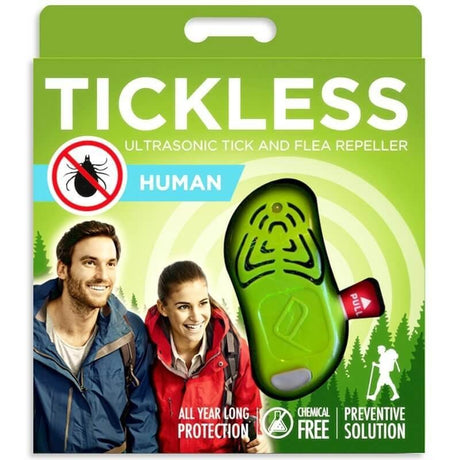


Tickless
Tickless Lidský ultrazvukový repelent proti klíšťatům - zelený
Běžná cena 1.020,09 KčJednotková cena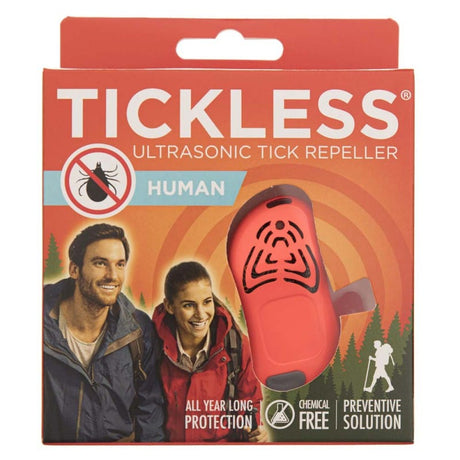


 5% sleva
Tickless
Tickless Lidský ultrazvukový repelent proti klíšťatům - oranžový
Akční cena 980,09 Kč Běžná cena 1.031,69 KčJednotková cena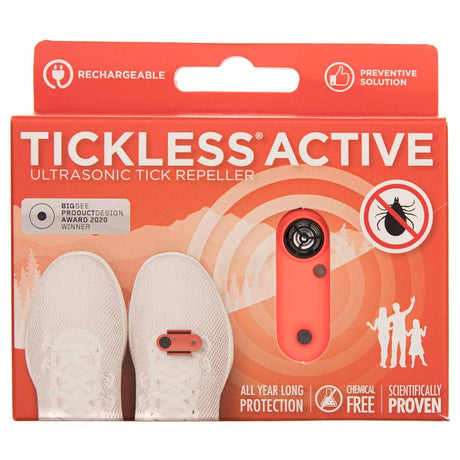


Tickless
Tickless Aktivní ultrazvukový odpuzovač klíšťat - červený
Běžná cena 1.238,99 KčJednotková cena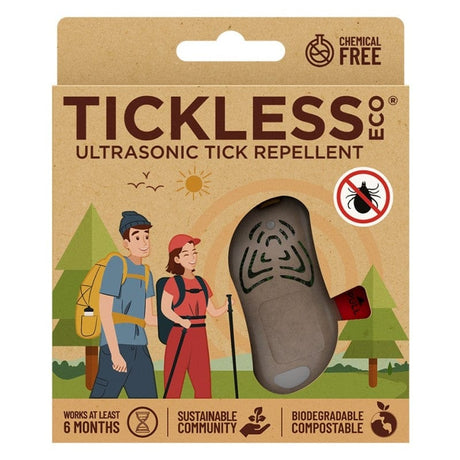

Tickless
Tickless Ultrazvukový odpuzovač klíšťat Eco Human - hnědý
Běžná cena 975,59 KčJednotková cena


Poznámka k majitelům psů a zodpovědnému jednání
Pokud se stejný pes stále vrací a vy víte, kdo je jeho majitel, přímý, klidný rozhovor je často nejrychlejším řešením. Pokud problém přetrvává, je vhodné obrátit se na místní služby pro kontrolu zvířat. Pokud je to možné, zdokumentujte incidenty fotografiemi – to se hodí, pokud bude nutné podat formální stížnost.
Výběr správné metody pro vaši situaci
Neexistuje jediné řešení, které by vyhovovalo každé situaci. Nejlépe obvykle funguje kombinace přístupů: nejprve odstraňte lákavé látky, a poté použijte přírodní odstrašující prostředky pro zóny s nízkým rizikem a chemické nebo ultrazvukové možnosti pro problémové oblasti s vysokým provozem. Pokud řešíte také riziko klíšťat v důsledku kontaktu s toulavými zvířaty, prozkoumejte naše elektronické odpuzovače klíšťat a širší nabídku Sekce Domácí mazlíčci na Medpak nabízí produkty, které podporují jak vaši bezpečnost, tak bezpečnost vašich zvířat.
Tento článek má pouze informativní charakter a nenahrazuje lékařskou radu. Máte-li zdravotní potíže, jste-li těhotná, kojíte nebo užíváte léky, poraďte se s lékařem nebo lékárníkem. Doplňky stravy nenahrazují pestrou stravu.


