

Kudzu je fascinující rostlina, jejíž zdraví prospěšné vlastnosti si zaslouží mnohem větší pozornost, než se jim v současnosti dostává. To platí zejména pro ty, kteří se snaží zbavit nezdravých návyků, neboť kořen kudzu je v této oblasti tradičně považován za jednoho z nejcennějších přírodních pomocníků. Ale to je jen jedna z jeho mnoha výhod — tato starodávná asijská luštěnina také podporuje kardiovaskulární zdraví, hormonální rovnováhu, a celkovou pohodu.
Co je kudzu
Kudzu (Pueraria lobata), známé také jako japonský maranta, je bujná popínavá rostlina patřící do čeledi bobovitých. Dorůstá až do výšky 12 metrů a pochází z Japonska a jihovýchodní Asie. Části rostliny, které jsou v bylinné medicíně nejvíce ceněny, jsou kořen a v menší míře také listy. Kudzu se v tradiční čínské medicíně používá již více než 2 000 let — záznamy o jeho terapeutickém využití sahají minimálně do roku 200 př. n. l. V 19. století byla rostlina, zavedena do Spojených států, kde byla zpočátku pěstována jako krmivo pro zvířata díky své mimořádně rychlé rychlosti růstu. Teprve mnohem později vědci identifikovali bioaktivní sloučeniny, díky nimž je kudzu tak cennou složkou moderních doplňků stravy. Mezi nejdůležitější z nich patří isoflavonoidy puerarin, daidzein, daidzin, a genistein — rostlinné sloučeniny s širokou škálou biologických účinků.
Vlastnosti a tradiční použití kořene kudzu
Podpora při snižování konzumace alkoholu
Snad nejdiskutovanější vlastností kořene kudzu v posledních letech je jeho tradiční a výzkumem podložená role při snižování konzumace alkoholu. Flavonoidní sloučeniny obsažené v kudzu – zejména puerarin, daidzein, a daidzin – podle všeho působí prostřednictvím dvou komplementárních mechanismů.
Zaprvé, někteří výzkumníci naznačují, že kudzu může ovlivňovat způsob, jakým se alkohol v těle metabolizuje, a potenciálně zpomalovat určité enzymatické procesy. Za druhé, a možná ještě zajímavější, izoflavonoidy v kudzu mohou podporovat přirozenou produkci serotoninu a dopaminu – neurotransmiterů spojených s pocity pohody a spokojenosti. Tím, že přispívá k vyrovnané náladě, může kudzu pomoci snížit touhu po stimulantech. V jedné často citované studii, účastníci, kteří užívali extrakt z kudzu po dobu sedmi dnů, snížili svou konzumaci alkoholu přibližně o 40 % ve srovnání s výchozími hodnotami.
Kořen kudzu je také ceněn pro svou širší podpůrnou roli během tohoto procesu. Poskytuje přírodní sacharidy a minerály, podporuje nervový systém a přispívá ke zdravé funkci trávicího ústrojí — to vše může být prospěšné pro osoby usilující o zdravější životní styl. Mělo by být vždy používáno jako doplněk k odbornému poradenství a podpoře, nikdy jako náhrada.]
Podpora kardiovaskulárního systému a krevního tlaku
V tradiční čínské a japonské medicíně, se kudzu dlouhodobě používá k podpoře kardiovaskulárního zdraví. Isoflavonoidy v kořeni mohou přispívat k udržení zdravé hladiny krevního tlaku, která je již v normálním rozmezí, a podporovat celkovou funkci srdce. Kromě toho, antioxidační vlastnosti těchto sloučenin pomáhají chránit buňky před oxidačním stresem způsobeným volnými radikály.
Menopauza a hormonální rovnováha
Kudzu si také získává pozornost díky své potenciální roli při podpoře žen v menopauze. Stejně jako jiné rostliny bohaté na isoflavony, například jetel luční a sója, obsahuje kudzu fytoestrogeny – rostlinné sloučeniny, které mohou jemně interagovat s estrogenovými receptory v těle. Tato mírná estrogenní aktivita může pomoci zajistit pohodlí během menopauzálního přechodu, zejména pokud jde o návaly horka, výkyvy nálady a udržení zdravé hustoty kostí. Ženy, které mají zájem o přírodní podporu v menopauze, mohou také prozkoumat náš výběr bylinných doplňků jako doplňkové možnosti.
Pohodlí trávicího a dýchacího systému
Tradiční asijská medicína také využívá kořen kudzu k podpoře pohodlí trávicího systému, zmírnění občasné nevolnosti, a podpoře zdraví dýchacích cest během sezónních výzev. Ačkoli tato tradiční použití nebyla studována tak důkladně jako účinky kudzu na konzumaci alkoholu, svědčí o pozoruhodné všestrannosti této rostliny a hloubce její historie v bylinné medicíně.
Jak používat kořen kudzu
V Číně a Japonsku, se kudzu tradičně konzumuje jako odvar z práškového kořene nebo jako sušený alkoholový extrakt. V moderní formě doplňků stravy, je nejčastěji k dispozici ve formě kapslí nebo tablet, které nabízejí pohodlný, a standardizovaný způsob, jak začlenit kudzu do vašeho denního režimu.
U kapslí a tablet, je typická dávka 2–4 tablety užívané s jídlem, vždy byste však měli dodržovat konkrétní pokyny k dávkování uvedené na obalu produktu. K dispozici je také škrob z kořene kudzu (a prášek z kudzu), které lze použít jako kulinářskou přísadu – dobře fungují jako zahušťovadlo a při vaření mohou nahradit jiné druhy mouky.
Pokud jde o délku užívání: při užívání jako doplněk pro celkové zdraví, lze kudzu užívat dlouhodobě. Při použití konkrétně na podporu zdravějšího životního stylu může být vhodné užívat, po dobu několika měsíců nebo déle, ideálně pod dohledem zdravotnického odborníka.


Swanson
Swanson Full Spectrum Kudzu Root 500 mg - 60 kapslí
Běžná cena 125,79 KčJednotková cena2,10 Kč za každou položku


Medica Herbs
Medica Herbs Kudzu Root 600 mg - 60 kapslí
Běžná cena 159,19 KčJednotková cena2,65 Kč za každou položku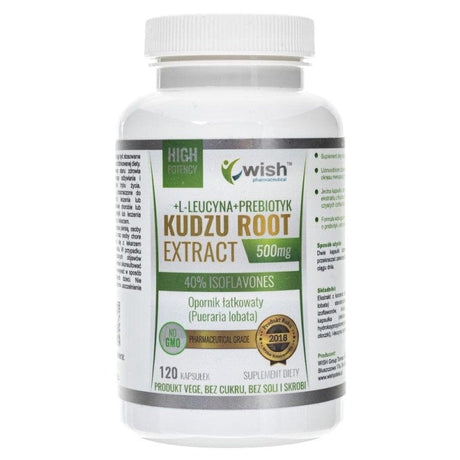


Wish Pharmaceutical
Wish Extrakt z kořene Kudzu 500 mg - 120 kapslí
Běžná cena 413,79 KčJednotková cena3,45 Kč za každou položku


Kontraindikace a bezpečnost
Ačkoli je kudzu obecně dobře snášeno, určité skupiny by se měly vyhýbat doplňkům stravy nebo před užitím konzultovat zdravotnického odborníka:
- Těhotné a kojící ženy — z důvodu nedostatečných údajů o bezpečnosti u těchto skupin
- Osoby s hormonálně citlivými onemocněními — jako je endometrióza nebo poruchy štítné žlázy, protože kudzu obsahuje fytoestrogeny, které mohou ovlivnit hormonální rovnováhu
- Lidé užívající antikoagulační léky — kudzu může interagovat s léky na ředění krve
Možné vedlejší účinky jsou vzácné, ale mohou zahrnovat mírnou nevolnost nebo svědění. Stejně jako u jakéhokoli bylinného doplňku, je důležitý zdroj — vždy vybírejte produkty od renomovaných výrobců, kteří testují čistotu a suroviny bez kontaminantů. Tím si zajistíte, že budete moci těžit z vlastností kudzu a zároveň minimalizujete rizika spojená s rostlinným materiálem nízké kvality.
[Upozornění: Kořen kudzu by neměl být používán jako náhrada za odbornou léčbu závislosti nebo lékařskou péči. Před zahájením užívání doplňků stravy se vždy poraďte s lékařem,, zejména pokud užíváte léky nebo se léčíte s nějakým onemocněním. Tento článek slouží pouze pro informační účely a nepředstavuje lékařskou radu.]
Klíčové sdělení: Kořen kudzu je starodávná léčivá rostlina s pozoruhodnou škálou tradičních a výzkumem podložených použití. Od jeho dobře zdokumentované role při snižování konzumace alkoholu až po jeho přínos pro kardiovaskulární zdraví, hormonální rovnováhu, a pohodlí zažívacího traktu, je kudzu všestranným bylinným pomocníkem, který stojí za to prozkoumat. Vyberte si kvalitní doplněk stravy, dodržujte doporučené dávkování, a spolupracujte s odborníkem na zdravotní péči, abyste co nejlépe využili to, co tato mimořádná rostlina nabízí.
Tento článek má pouze informativní charakter a nenahrazuje lékařskou radu. Máte-li zdravotní potíže, jste-li těhotná, kojíte nebo užíváte léky, poraďte se s lékařem nebo lékárníkem. Doplňky stravy nenahrazují pestrou stravu.


