

Molybden je název, který většině lidí téměř nic neříká. Na první pohled, to není nijak překvapivé – molybden patří k nejvzácnějším prvkům na Zemi. A přesto, se vyskytuje prakticky ve všech tkáních lidského těla. Už jen tato skutečnost dělá z tohoto nedoceněného stopového minerálu látku, o které stojí za to se dozvědět více.
Co je molybden a proč ho vaše tělo potřebuje?
Molybden je stopový minerál, jehož role v lidském zdraví je studována již více než šest desetiletí, ačkoli mnoho jeho funkcí stále není plně pochopeno. Rané výzkumy se zaměřovaly na jeho význam pro bakterie vázající dusík, a pozdější studie odhalily jeho podíl na přeměně purinů na kyselinu močovou — klíčový metabolický proces.
Přestože je molybden přítomen pouze v nepatrných množstvích, je rozložen téměř ve všech tkáních těla. Nejvyšší koncentrace se nacházejí v játrech a ledvinách, menší množství pak ve slezině, mozku, a svalech. Tento minerál se také ukládá v zubech a je tělem rychle vstřebáván, přičemž k vylučování dochází především ledvinami.
Na buněčné úrovni je molybden součástí nejméně tří důležitých enzymů odpovědných za neutralizaci toxických sloučenin obsahujících síru. Podílí se také na oxidačně-redukčních reakcích, hraje roli v metabolismu purinů a přispívá k oxidaci tuků. Méně známý je jeho vliv na tvorbu hemoglobinu — životně důležitého proteinu pro transport kyslíku v krvi.
Klíčové přínosy molybdenu pro zdraví
Jednou z nejdůležitějších funkcí molybdenu je jeho schopnost aktivovat zásoby železa v těle. Díky podpoře využití železa, může tento stopový prvek pomoci potlačit anémii z nedostatku železa — stav, který způsobuje únavu, slabost, a sníženou imunitu. Pokud máte zájem o komplexní doplňování minerálů, molybden je nezbytným kouskem skládačky, který je často přehlížen. Kromě metabolismu železa podporuje molybden produkci enzymů potřebných pro správné zpracování tuků a cukrů, čímž nepřímo přispívá k zásobování buněk energií. Hraje také roli při udržování zdravých zubů a kostí, pomáhá tělu vylučovat toxiny a může podporovat imunitní funkce. Pro muže, kteří se snaží o početí, je molybden obzvláště důležitý — výzkum naznačuje, že může přispívat ke zlepšení mužské plodnosti.
Nejlepší potravinové zdroje molybdenu
Získat Enough molybden pouze ze stravy může být náročné. Na rozdíl od mnoha minerálů, neexistuje žádná jediná skupina potravin, která by zaručovala dostatečný příjem. Obsah molybdenu v ovoci, zelenině, a obilovinách závisí do značné míry na půdě, ve které byly pěstovány. Rostliny pěstované v půdách bohatých na molybden — zejména vápencových a bažinatých půdách — mohou obsahovat několik setkrát více tohoto minerálu než ty pěstované v ochuzené půdě.
Mezi obecně uznávané zdroje molybdenu v potravě patří celozrnná mouka, fazole, hrášek, zelená listová zelenina, a vnitřnosti. Zajímavé je, že, k dennímu příjmu může přispívat i tvrdá voda z veřejného vodovodu. Vzhledem k tomu, že se však kvalita půdy v jednotlivých regionech výrazně liší, nemusí být samotný příjem z potravy vždy spolehlivý.
Kolik molybdenu potřebujete?
Doporučený denní příjem molybdenu se liší podle věku a životní fáze. U dospělých, je obecně doporučený rozsah 75 až 250 µg denně. Potřeba se zvyšuje během těhotenství a kojení. Potřeby dětí jsou nižší a postupně se s věkem zvyšují — od přibližně 15–30 µg u kojenců až po 150–250 µg u starších dětí a adolescentů.
Příznaky nedostatku molybdenu
Ačkoli je úplný nedostatek molybdenu relativně vzácný, může se vyskytnout – zejména u lidí s nutričně chudou stravou, u těch, kteří jsou na parenterální výživě, nebo u jedinců konzumujících velké množství zpracovaných potravin s konzervanty. Mezi příznaky nedostatku mohou patřit bolesti hlavy, nevolnost, kožní problémy, zubní kazy, vypadávání vlasů, snížené libido, ospalost, a oslabená imunita. Dalším možným důsledkem je zhoršené vstřebávání železa vedoucí k anémii.
Rizika nadměrného příjmu molybdenu
Příliš mnoho molybdenu je stejně problematické. Nadměrný příjem — obvykle způsobený spíše nesprávným doplňováním než stravou — může vést k bolestem kloubů a otokům, narušení metabolismu vápníku a fluoridu, zhoršenému vstřebávání železa a mědi, a zhoršení zdraví kostí a zubů. Proto je nezbytné pečlivě dodržovat doporučené dávkování výrobce a nikdy nepřekračovat stanovený denní příjem.
Jak podpořit příjem minerálů
Vzhledem k tomu, že zdroje molybdenu ve stravě jsou nepředvídatelné, mnoho lidí dbajících o své zdraví se obrací k komplexním minerálním doplňkům, aby pokryli případné nedostatky. Přípravky s plným spektrem a multiminerální přípravky často obsahují molybden spolu s dalšími nezbytnými stopovými prvky, a poskytují tak pohodlný způsob, jak podpořit celkovou minerální rovnováhu.

Osavi
Osavi NAC Detox, Selen a molybden - 120 kapslí
Běžná cena 475,69 KčJednotková cena3,96 Kč za každou položku
Now Foods
Now Foods Plné spektrum minerálů - 120 veg. kapslí
Běžná cena 380,39 KčJednotková cena3,17 Kč za každou položku
 5% sleva
Trace Minerals Research
Trace Minerals Research ConcenTrace ® Minerální kapky - 118 ml
Akční cena 900,31 Kč Běžná cena 949,09 KčJednotková cena7.629,75 Kč /l 15% sleva
Formeds
Formeds Prášek Multi Minerály - 282 g
Akční cena 377,89 Kč Běžná cena 444,79 KčJednotková cena1.340,04 Kč /kg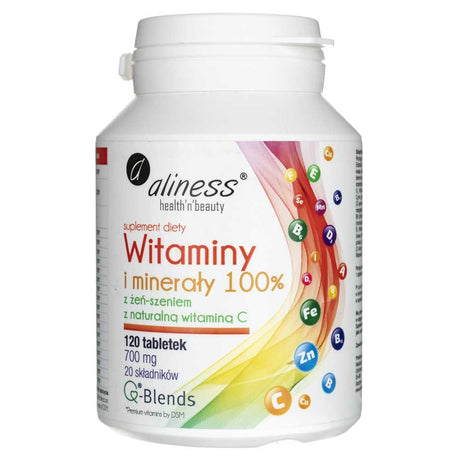


Aliness
Aliness Vitamíny a minerály 100% - 120 tablet
Běžná cena 213,39 KčJednotková cena1,78 Kč za každou položku


Pro širší výběr, prozkoumejte naši kompletní kolekci minerálů nebo procházejte multivitamínové přípravky, které obsahují esenciální stopové prvky ve vyvážených denních dávkách.
Klíčové sdělení: Molybden je možná jedním z nejméně diskutovaných stopových minerálů, ale jeho role v aktivaci enzymů, metabolismu železa, detoxikaci, a produkci energie z něj činí nezbytný prvek pro celkové zdraví. Vyvážená strava v kombinaci s kvalitním multiminerálním doplňkem je nejpraktičtější způsob, jak zajistit dostatečný příjem bez rizika nadměrného příjmu.
Tento článek má pouze informativní charakter a nenahrazuje lékařskou radu. Máte-li zdravotní potíže, jste-li těhotná, kojíte nebo užíváte léky, poraďte se s lékařem nebo lékárníkem. Doplňky stravy nenahrazují pestrou stravu.


