

Vysokokalorická strava a život vedený v neustálém shonu nejsou jen nepříjemné – mají i biologicky narušující účinky. Jedním z nejvýznamnějších důsledků je oxidační stres: stav, při kterém se naruší rovnováha v těle mezi škodlivými volnými radikály a ochrannými antioxidanty. Když se tato rovnováha příliš vychýlí, důsledky sahají daleko za únavu nebo špatnou pleť – zasahují až k urychlenému stárnutí, kardiovaskulárním onemocněním, neurodegeneraci, a chronickým zánětům. Pochopení toho, co je oxidační stres, co ho způsobuje, a jak mu čelit, je skutečně užitečná znalost pro zdraví.
Co je oxidační stres? Každá buňka v těle produkuje volné radikály – molekuly s nepárovými elektrony, které se snaží stabilizovat tím, že „ukradnou“ elektrony z okolních molekul, čímž je poškodí. To je normální součást buněčného metabolismu. Za zdravých podmínek, antioxidační systém těla — jak ten produkovaný vnitřně, tak ten získaný ze stravy — neutralizuje volné radikály dříve, než se nahromadí na škodlivé úrovně.
K oxidačnímu stresu dochází, když tato rovnováha selže: když produkce volných radikálů převyšuje antioxidační kapacitu, nebo jsou antioxidační obranné mechanismy vyčerpány. Výsledkem je kumulativní poškození buněk, které postihuje DNA, proteiny, a tukové membrány obklopující buňky. V průběhu času, je toto poškození spojováno s rozvojem a progresí široké škály závažných onemocnění.
Co způsobuje oxidační stres?
K nadprodukci volných radikálů a vyčerpání antioxidantů přispívají jak vnitřní, tak vnější faktory:
- Strava — vysoký příjem zpracovaných potravin, rafinovaných cukrů, trans-tuků, a smažených jídel generuje volné radikály a vyčerpává antioxidační mikroživiny
- Chronický psychický stres — dlouhodobé stresové hormony zvyšují oxidační zátěž napříč mnoha orgánovými systémy
- Znečišťující látky v životním prostředí — znečištění ovzduší, těžké kovy, rezidua pesticidů, a průmyslové chemikálie, to vše generuje zátěž volnými radikály
- UV záření — přímé oxidační poškození kožních buněk a DNA
- Tabákový kouř — obsahuje tisíce oxidačních sloučenin a vyčerpává vitamíny C a E
- Alkohol — metabolizuje se cestami, které produkují reaktivní formy kyslíku
- Nadměrné nebo špatně r Ecover regulované cvičení — intenzivní fyzická aktivita dočasně zvyšuje produkci volných radikálů; r Ecover y a doplnění antioxidantů jsou nezbytné
- Nedostatek spánku — snižuje schopnost těla opravovat buňky a recyklovat antioxidanty
- Některé léky — některé léky zvyšují oxidační zátěž jako vedlejší účinek svého metabolismu
Příznaky a zdravotní důsledky oxidačního stresu
Vzhledem k tomu, že oxidační stres ovlivňuje prakticky každý typ buňky, má široké spektrum projevů. Mezi běžné příznaky, že může být oxidační zátěž zvýšená, patří:
- Přetrvávající únava, která není úměrná úrovni aktivity
- Zrychlené stárnutí kůže — jemné vrásky, ztráta elasticity, matný vzhled
- Časté infekce — snížená odolnost imunitního systému
- Ztráta jasného myšlení, potíže s koncentrací, a výpadky paměti
- Bolesti kloubů a svalů bez zjevné strukturální příčiny
- Pomalé hojení ran a špatná regenerace tkání Ecover
- Trávení a zvýšená citlivost střev
Z dlouhodobého hlediska, je chronicky zvýšený oxidační stres uznávaným faktorem přispívajícím k ateroskleróze a kardiovaskulárním onemocněním, cukrovce 2. typu, neurodegenerativním onemocněním, jako je Alzheimerova a Parkinsonova, určitých druhů rakoviny, a věkem podmíněné makulární degenerace. Proto není udržování antioxidační obrany okrajovou záležitostí — týká se prakticky každého v moderních životních podmínkách.
Jak se chránit před oxidačním stresem
Strava jako první linie obrany
Strava bohatá na rostlinné potraviny, celozrnné výrobky, a zdravé tuky je nejpřímější cestou k udržení antioxidačního stavu. Mezi klíčové antioxidanty ve stravě patří:
- Vitamin C — jeden z nejúčinnějších ve vodě rozpustných antioxidantů; hojně se vyskytuje v paprikách, citrusových plodech, kiwi, a brokolici
- ; nachází se v ořechách, semenech, a za studena lisovaných olejích
- Selen — nezbytný kofaktor pro glutathionperoxidázu, klíčový endogenní antioxidační enzym; nachází se v para oříšcích, mořských plodech, a celozrnných výrobcích
- Polyfenoly — široká skupina zahrnující resveratrol (, hrozny, hořkou čokoládu), kvercetin (, cibuli, jablka), a kurkumin (, kurkumu); všechny prokázaly antioxidační a protizánětlivé účinky
- Karotenoidy — beta-karoten, lykopen, a astaxantin jsou silnými lapači reaktivních forem kyslíku
Omezení konzumace zpracovaných potravin, snížení příjmu alkoholu, a minimalizace konzumace spálených nebo silně smažených jídel zároveň významně snižuje přísun volných radikálů. Pro širší podporu imunitního systému a antioxidační ochranu, prozkoumejte naši kolekci antioxidačních doplňků.
Glutathion — hlavní antioxidant těla
Ze všech antioxidačních molekul, které tělo produkuje vnitřně,, je glutathion nejdůležitější. Je přítomen prakticky v každé buňce, hraje ústřední roli při neutralizaci reaktivních forem kyslíku, a je nezbytný pro regeneraci dalších antioxidantů, včetně vitamínů C a E, poté, co byly oxidovány. Hladiny glutathionu s věkem klesají a jsou vyčerpávány chronickým stresem, nemocí, toxiny v životním prostředí, a špatnou stravou. N-acetylcystein (NAC) — prekurzor syntézy glutathionu — je jedním z nejvíce studovaných přístupů k podpoře vlastní produkce v těle.

Now Foods
Now Foods Glutathion 500 mg - 60 veg. kapslí
Běžná cena 683,89 KčJednotková cena11,40 Kč za každou položku


Aliness
Aliness L-Glutathion redukovaný 500 mg - 100 Veg kapslí
Běžná cena 657,99 KčJednotková cena6,58 Kč za každou položku


Klíčové antioxidační doplňky
Vitamin C je ve vodě rozpustný a patří mezi nejdostupnější antioxidační doplňky na trhu, s vynikajícím bezpečnostním profilem v širokém rozmezí dávek. Přímo přispívá k imunitní funkci, syntéze kolagenu, a regeneraci vitaminu E. Vitamin E (, zejména ve formě směsi tokoferolů spíše než samotného syntetického dl-alfa-tokoferolu), chrání struktury buněčných membrán bohaté na lipidy — což je zvláště důležité pro kardiovaskulární a neurologickou tkáň. Selen v odpovídajících dávkách podporuje aktivitu glutathionperoxidázy, což z něj činí základní součást enzymatického antioxidačního systému těla. Koenzym Q10 je jak antioxidantem, tak ústřední složkou buněčné produkce energie – jeho hladiny klesají s věkem a při užívání statinů, což činí jeho doplňování s přibývajícím věkem stále důležitějším. Navštivte naši kolekci vitamínu C nebo kolekci vitamínu E a objevte osvědčené možnosti.
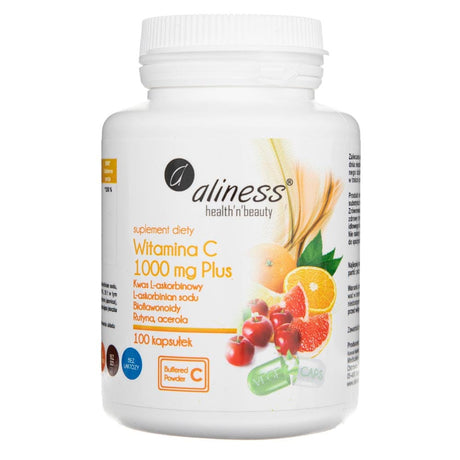


Aliness
Aliness Vitamin C 1000 mg - 100 veg. kapslí
Běžná cena 287,79 KčJednotková cena2,88 Kč za každou položku


Now Foods
Now Foods Vitamin C-1000 s růžovými šípky a bioflavonoidy - 100 tablet
Běžná cena 251,69 KčJednotková cena2,52 Kč za každou položku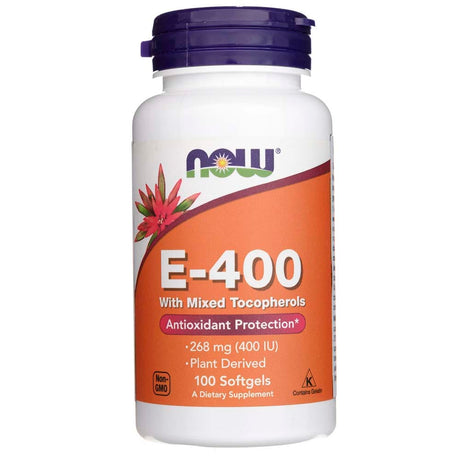


Now Foods
Now Foods Vitamin E-400 se směsí tokoferolů - 100 měkkých gelů
Běžná cena 390,59 KčJednotková cena3,91 Kč za každou položku


Polyfenoly: Resveratrol, Kvercetin, a Kurkumin
Resveratrol — přirozeně se vyskytující v červených hroznech, bobulích, a hořké čokoládě — vzbudil značný zájem výzkumníků díky svým antioxidačním, protizánětlivým, a potenciálním kardioprotektivním vlastnostem. Kvercetin je flavonoid přítomný v cibuli, jablkách, a kapari s prokázanou antioxidační a protizánětlivou aktivitou, a dalšími důkazy o podpoře zdraví dýchacích cest a imunitního systému. Kurkumin, účinná látka v kurkumě, je jednou z nejvíce studovaných rostlinných protizánětlivých a antioxidačních látek — ačkoli jeho biologická dostupnost je výrazně zlepšena přípravky, které obsahují piperin (, extrakt z černého pepře), nebo využívají pokročilé systémy pro jeho dodání.
Důležité faktory životního stylu
Doplňky stravy a dieta řeší biochemickou stránku oxidačního stresu, ale faktory životního stylu určují, jakému množství volných radikálů je tělo vůbec vystaveno. Pravidelné mírné cvičení — v intenzitě a Ecover frekvenci, která umožňuje adaptaci — ve skutečnosti v průběhu času zvyšuje aktivitu vlastních antioxidačních enzymových systémů těla. Dostatečný spánek je doba, kdy dochází k nejaktivnější buněčné opravě, včetně recyklace antioxidantů,; chronický nedostatek spánku přímo zhoršuje oxidační stav. Zvládání stresu — ať už prostřednictvím fyzické aktivity, všímavosti, dostatečného odpočinku, nebo sociálních vazeb — snižuje hormonální faktory oxidační zátěže. A vyhýbání se nebo omezení tabáku a nadměrného pití alkoholu eliminuje dva z nejvýznamnějších zdrojů zbytečné expozice volným radikálům.
Tento článek má pouze informativní charakter a nenahrazuje lékařskou radu. Máte-li zdravotní potíže, jste-li těhotná, kojíte nebo užíváte léky, poraďte se s lékařem nebo lékárníkem. Doplňky stravy nenahrazují pestrou stravu.


