

Vegetariánská strava, je-li správně sestavena, je nutričně vyvážená a přináší významné zdravotní výhody – snížené riziko kardiovaskulárních onemocnění, nižší výskyt cukrovky 2. typu, lepší kontrolu hmotnosti, a zlepšení zdraví trávicího ústrojí. Důraz na dobře naplánovanou stravu však není volitelný. Pouhé odstranění masa ze stávající stravy bez promyšlené náhrady je jistou cestou k nedostatku živin. Živiny, které vyžadují největší pozornost, jsou dobře známé: vitamin B12, vitamin D, železo, zinek, vápník a omega-3 mastné kyseliny. Zde je návod, jak sestavit vegetariánskou stravu, která skutečně podporuje zdraví na všech úrovních.
Výhody vegetariánské stravy
Důkazy pro stravu zaměřenou na rostlinné produkty se za poslední dvě desetiletí podstatně rozšířily. Kromě často zmiňovaných environmentálních argumentů, jsou fyziologické přínosy reálné a konzistentní napříč rozsáhlými populačními studiemi:
- Kardiovaskulární zdraví — nižší příjem nasycených tuků v kombinaci s vyšším příjmem vlákniny, draslíku, a antioxidantů přispívá ke snížení krevního tlaku a hladiny LDL cholesterolu
- Regulace hladiny cukru v krvi — rostlinná strava s vysokým obsahem vlákniny zpomaluje vstřebávání glukózy a významně snižuje riziko cukrovky 2. typu
- Regulace hmotnosti — rostlinné potraviny mají obvykle nižší kalorickou hustotu a vyšší sytost na kalorii, což podporuje zdravou hmotnost
- Zdraví trávicího ústrojí — rozmanitá rostlinná vláknina vyživuje prospěšné střevní bakterie a podporuje pravidelnou funkci střev
- Snížené riziko rakoviny — zejména u rakoviny tlustého střeva a konečníku, což souvisí s nižším příjmem červeného masa a vyšší konzumací vlákniny a fytochemikálií
Těchto přínosů lze dosáhnout — závisí však na promyšleně sestavené stravě, nikoli pouze na absenci masa.
Jak začít s vegetariánskou stravou bez ztráty energie
Jednou z nejčastějších stížností lidí přecházejících na vegetariánskou stravu je únava — zejména v prvních týdnech. Té se dá téměř vždy předejít správným přístupem. Hlavním problémem je nedostatečný příjem bílkovin a celkového množství kalorií, nikoli něco, co by bylo vlastní rostlinné stravě. Rostlinné bílkoviny – luštěniny, tofu, tempeh, vejce, mléčné výrobky, celozrnné obiloviny, ořechy, a semena — jsou kompletními zdroji bílkovin, pokud se konzumují v kombinaci, ale vyžadují záměrné zařazení do každého jídla, na rozdíl od pasivního přísunu bílkovin, který poskytuje maso.
Praktické zásady pro začátek:
- Plánujte jídla dopředu alespoň na tři až čtyři dny, a zajistěte, aby každé jídlo mělo jasný zdroj bílkovin
- Zařazujte luštěniny denně — čočka, cizrna, černé fazole, a edamame patří mezi rostlinné potraviny s nejvyšším obsahem bílkovin
- Přidejte ořechy a semena do jídel a svačin — dodávají bílkoviny, zdravé tuky, železo, a zinek
- Udržujte dostatečný příjem kalorií — rostlinná strava je objemná; jejich konzumace Enough může vyžadovat větší porce, než na jaké jste zvyklí
- Dbejte na pravidelný příjem tekutin — vyšší obsah vlákniny v rostlinné stravě vyžaduje více vody pro pohodlné trávení; bylinné čaje také podporují trávení
Klíčové živiny, které je třeba sledovat při vegetariánské stravě
Vitamin B12
Vitamin B12 je jediná živina, kterou nelze spolehlivě získat z rostlinných potravin. Je produkován bakteriemi a nachází se téměř výlučně v živočišných produktech — mase, rybách, mléčných výrobcích, a vejcích. Lakto-ovo vegetariáni (, tedy ti, kteří do svého jídelníčku zahrnují mléčné výrobky a vejce), si mohou udržet dostatečnou hladinu vitamínu B12 pouze prostřednictvím stravy, měli by však i tak sledovat její hladinu, protože vstřebávání s věkem klesá a u jednotlivých osob se liší. Přísní vegetariáni, kteří se stravují výhradně rostlinnou stravou, potřebují bez výjimky doplňky stravy.
Důsledky nedostatku vitamínu B12 se vyvíjejí pomalu, ale mohou být závažné: megaloblastická anémie, únava a slabost, neurologické změny včetně necitlivosti a poruch paměti, a zvýšená hladina homocysteinu — rizikový faktor pro kardiovaskulární onemocnění. Formy methylkobalaminu jsou obecně preferovány pro svou lepší biologickou dostupnost.
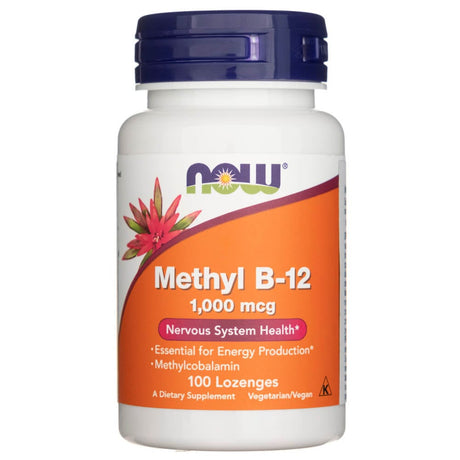
Now Foods
Now Foods Methyl B-12 1000 mcg - 100 pastilek
Běžná cena 218,69 KčJednotková cena2,19 Kč za každou položku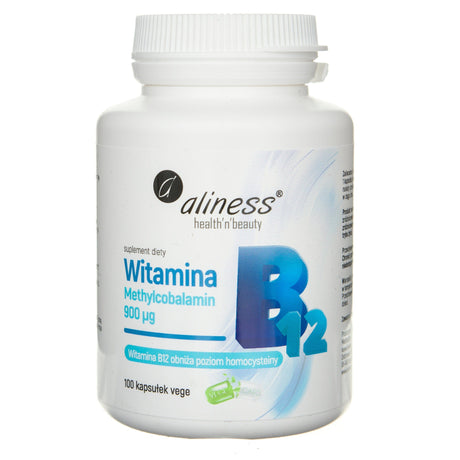


Aliness
Aliness Vitamin B12 Methylcobalamin 950 mcg - 100 Veg kapslí
Běžná cena 272,89 KčJednotková cena2,73 Kč za každou položku


Now Foods
Now Foods Vitamin B-12 Liposomální sprej - 59 ml
Běžná cena 347,49 KčJednotková cena588,97 Kč /100ml


Vitamin D
Nedostatek vitaminu D je běžný v celé populaci severní Evropy – nejen mezi vegetariány – ale zdroje v potravě dostupné vegetariánům jsou obzvláště omezené. Tučné ryby jsou nejbohatším zdrojem; vejce a obohacené mléčné výrobky poskytují skromné množství, ale zřídka Enough postačují k pokrytí potřeb. Během podzimních a zimních měsíců je ve většině evropských zemí, sluneční expozice nedostatečná pro adekvátní syntézu bez ohledu na stravu. Doplňování se důrazně doporučuje pro vegetariány od října do dubna, a po celý rok pro ty, kteří mají omezenou sluneční expozici. Hledejte konkrétně vegansky certifikovaný D3 (získaný z lišejníků nebo řas) spíše než D2, protože D3 je účinnější při zvyšování a udržování sérových hladin. Prozkoumejte naše doplňky stravy s omega mastnými kyselinami a vitamínem D, které nabízejí kombinované možnosti.
Železo
Rostlinné potraviny obsahují nehemové železo — formu, která se vstřebává hůře než hemové železo v mase. Mezi vegetariánské zdroje patří čočka, cizrna, tofu, dýňová semínka, sušené fíky, a obohacené cereálie. Pro optimalizaci vstřebávání z těchto zdrojů: konzumujte vitamín C společně s jídly bohatými na železo (, např. citronovou šťávu na čočce, papriky v fazolovém pokrmu), a vyhněte se pití čaje nebo kávy do jedné hodiny po jídle, protože taniny výrazně snižují vstřebávání nehemového železa. Naše kolekce doplňků stravy s obsahem železa zahrnuje produkty s vysokou biologickou dostupností vhodné pro vegetariány.
Zinek
Zinek se vyskytuje v luštěninách, celozrnných výrobcích, ořeších, semenech, a mléčných výrobcích, ale jeho vstřebávání z rostlinných potravin je brzděno fytáty — sloučeninami, které se v těchto potravinách vyskytují. To znamená, že vegetariáni mohou potřebovat vyšší příjem zinku ve stravě než konzumenti masa, aby dosáhli stejných hladin v krvi. Namáčení luštěnin a obilovin před vařením snižuje obsah fytátů a zlepšuje biologickou dostupnost zinku. Pokud jsou zdroje ve stravě nedostatečné – zejména v obdobích zvýšené potřeby, jako je nemoc nebo těhotenství – nabízejí chelátové doplňky zinku vynikající vstřebatelnost. Prohlédněte si naši kolekci zinku a vyberte si produkty s vysokou biologickou dostupností.
Omega-3 mastné kyseliny
Omega-3 mastné kyseliny, které jsou pro lidské zdraví nejdůležitější, jsou EPA a DHA – nacházejí se převážně v tučných rybách. Rostlinné zdroje (lněné semínko, vlašské ořechy, chia semínka) poskytují ALA, prekurzor, který tělo přeměňuje na EPA a DHA s velmi nízkou účinností – obvykle pod 10 %. To znamená, že samotné rostlinné zdroje omega-3 pravděpodobně nedokážou udržet optimální hladiny EPA a DHA. Doplňky stravy s omega-3 z řas poskytují EPA a DHA přímo – ze stejného zdroje, ze kterého je získávají ryby – a jsou plně veganské. Jedná se o jeden z důležitějších doplňků stravy pro vegetariány, zejména pro kardiovaskulární a kognitivní zdraví.


Aliness
Aliness Vegan Omega 3 FORTE DHA 500 mg - 60 veg. kapslí
Běžná cena 481,49 KčJednotková cena8,02 Kč za každou položku


Nordic Naturals
Nordic Naturals Algae Omega 715 mg - 60 měkkých gelů
Běžná cena 772,49 KčJednotková cena12,87 Kč za každou položku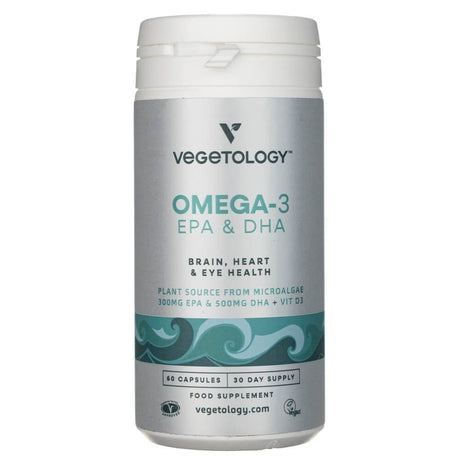


Vegetology
Vegetology Omega 3 EPA a DHA + vitamin D3 - 60 kapslí
Běžná cena 710,69 KčJednotková cena11,84 Kč za každou položku


Aliness
Aliness Přírodní vitamin D3 z řas 2000 IU - 120 veg. kapslí
Běžná cena 277,89 KčJednotková cena2,32 Kč za každou položku


Vápník
Lakto-vegetariáni, kteří konzumují mléčné výrobky, mají snadný přístup k vápníku. Ti, kteří se mléčným výrobkům vyhýbají, se musí spoléhat na rostlinné zdroje — obohacená rostlinná mléka, tofu vyrobené se síranem vápenatým, mandle, kapusta, brokolice, bílé fazole, a obohacené potraviny. Vstřebávání vápníku z rostlinných zdrojů se značně liší; zelenina bohatá na oxaláty, jako je špenát, je špatným zdrojem vápníku navzdory vysokému obsahu, zatímco kapusta a brokolice se vstřebávají mnohem lépe. Pokud je příjem v potravě trvale nižší než 1 000 mg denně, stojí za zvážení doplnění citrátem vápníku, který se vstřebává snadněji bez jídla než uhličitan vápníku. Komplexní veganská suplementace Pro vegetariány, kteří hledají pohodlný komplexní přístup, jsou specializované veganské multivitamíny vyvinuté značkami jako Vegetology navrženy speciálně k řešení nutričních mezer rostlinné stravy — kombinují vitamín B12v-jednom řešení, jsou specializované veganské multivitamíny vyvinuté značkami jako Vegetology navrženy speciálně k řešení nutričních nedostatků rostlinné stravy — kombinují B12, D3, jód, a další běžně nedostatečné mikroživiny v jediném denním doplňku spolu s cílenými individuálními doplňky, kde jsou potřebné vyšší dávky.
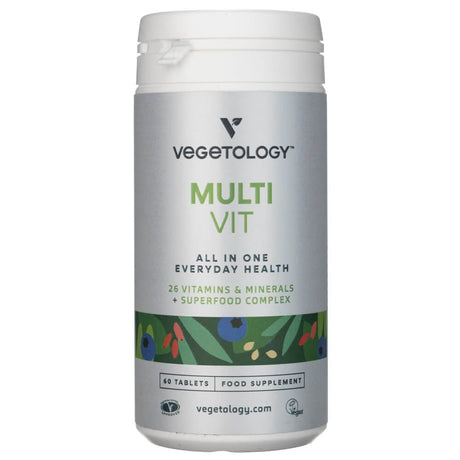


Vegetology
Vegetology MultiVit - 60 tablet
Běžná cena 401,69 KčJednotková cena6,69 Kč za každou položku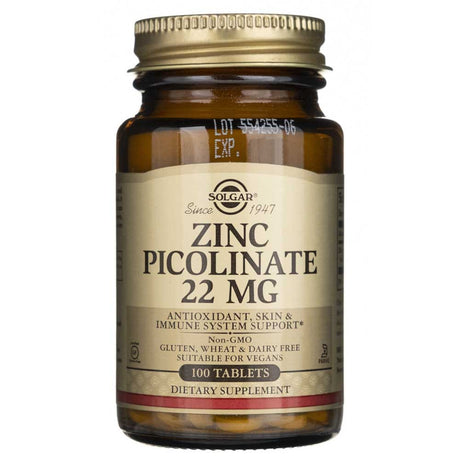


Solgar
Solgar pikolinát zinečnatý 22 mg - 100 tablet
Běžná cena 319,09 KčJednotková cena3,19 Kč za každou položku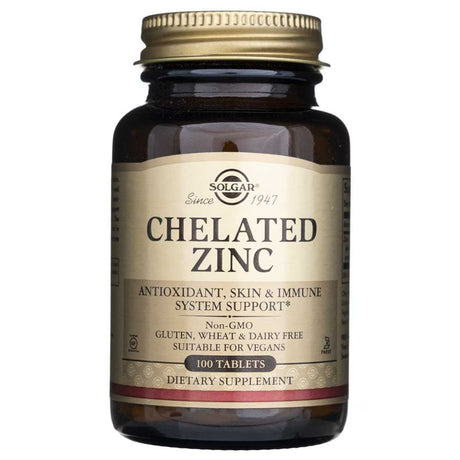


Solgar
Solgar chelátový zinek - 100 tablet
Běžná cena 349,99 KčJednotková cena3,50 Kč za každou položku


Tento článek má pouze informativní charakter a nenahrazuje lékařskou radu. Máte-li zdravotní potíže, jste-li těhotná, kojíte nebo užíváte léky, poraďte se s lékařem nebo lékárníkem. Doplňky stravy nenahrazují pestrou stravu.


