

Vápník je minerál nezbytný pro správné fungování lidského těla. Jeho dostatečný příjem je důležitý již od dětství – formuje vývoj kostí a ovlivňuje zdraví po celý zbytek života. Na sledování hladiny vápníku není nikdy pozdě, ale lékařský konsenzus je jasný: čím dříve, tím lépe. Nedostatek vápníku je rozšířený, často podceňovaný, a jeho důsledky mohou být dalekosáhlé. Jak poznáte nízkou hladinu vápníku, a co s tím můžete dělat?
Jaká je vlastně role vápníku v těle?
Vápník je dvojmocný kationt – 99 % vápníku v těle je uloženo v kostní tkáni, kde tvoří strukturální kostru skeletu. Jeho role však sahá daleko za hranice kostí. Vápník se aktivně podílí na několika životně důležitých fyziologických procesech, včetně:
- srážení krve
- hormonální regulace
- udržování správné propustnosti buněčných membrán
- přenos nervových impulsů
- regulace zánětlivých procesů
- normální svalová kontrakce
Doporučený denní příjem pro zdravého dospělého je 800–1200 mg. I když je toto množství přijímáno prostřednictvím stravy, nemusí to stačit — protože vstřebávání není nikdy 100%. V závislosti na věku a zdravotním stavu, tělo vstřebá mezi 10 % a 75 % vápníku, který přijímá. Tento rozdíl je významný, a je to jeden z hlavních důvodů, proč vápník z potravy sám o sobě často nestačí.
Ne všechny formy vápníku jsou stejné
Biologická dostupnost – podíl účinné látky, který se skutečně dostane do krevního oběhu – je jedním z nejdůležitějších parametrů při hodnocení jakéhokoli doplňku stravy. Vápník se vyskytuje v několika chemických formách, z nichž každá má odlišný profil vstřebávání.
Uhličitan vápenatý
Uhličitan vápenatý je anorganická vápenatá sůl. Ačkoli se ve vodě špatně rozpouští, v přítomnosti žaludeční kyseliny se přeměňuje na chlorid vápenatý, což umožňuje vstřebávání v míře přibližně 20–25 %. Doplňky stravy v této formě by se měly užívat s jídlem, protože jídlo stimuluje sekreci žaludeční kyseliny a zlepšuje vstřebávání. Tato forma se nedoporučuje lidem s onemocněním spojeným se sníženou produkcí žaludeční kyseliny.
Citrát vápenatý
Citrát vápenatý je organická sloučenina – sůl vápníku a kyseliny citronové. Jeho hlavní výhodou je, že na něj nemají významný vliv látky, které mohou blokovat vstřebávání vápníku. Biologická dostupnost je podstatně vyšší,, pohybuje se kolem 35–45 %, a na rozdíl od uhličitanu, se nemusí užívat s jídlem. Je zvláště vhodný pro osoby s gastrointestinálními potížemi spojenými s nedostatečnou sekrecí žaludeční kyseliny. Naše doplňky vápníku zahrnují varianty v obou formách, aby vyhovovaly různým potřebám a preferencím.
Nedostatek vápníku (Hypokalcémie): Příznaky a důsledky
U dospělých hraje nedostatek vápníku významnou roli ve vývoji osteomalacie – metabolického onemocnění charakterizovaného demineralizací kostí. Kostra se stává křehkou, náchylnou ke zranění, a pomaleji se zotavuje Ecover. Mezi další důsledky spojené s nízkou hladinou vápníku patří:
- tetanie — zvýšená neuromuskulární dráždivost, která se často projevuje křečemi a spasmy, brněním v končetinách, bolestivými svalovými křečemi. U dětí jsou následky ještě závažnější. Nedostatečný příjem vápníku vede přímo k rachitidě, s následky, které mohou přetrvávat po celý život — včetně deformit kostry a časného zubního kazu.
Širší pohled na zdraví
Nové výzkumy naznačují, že chronický nedostatek vápníku může být spojen se zvýšeným rizikem onemocnění, včetně:
- hypertenze
- obezita
- diabetes 2. typu
- některé druhy rakoviny (včetně rakoviny prsu, prostaty, a tlustého střeva)
Tyto souvislosti jsou stále předmětem výzkumu, ale podtrhují význam udržování dostatečného příjmu vápníku ve všech životních fázích. Pro komplexní podporu, stojí za to prozkoumat také naši Řada produktů pro kosti, klouby a chrupavky, která kombinuje vápník s dalšími živinami podporujícími zdraví kostry.
Rozpoznání nedostatku vápníku
Nízká hladina vápníku není vždy způsobena špatnou stravou. Některé složky stravy mohou vstřebávání vápníku bránit — zejména fytáty a nasycené živočišné tuky. Dalším faktorem, který je třeba zohlednit, je hořčík: zatímco jeho nedostatek je jednoznačně škodlivý, nadbytek hořčíku může také narušovat vstřebávání vápníku. Ideální poměr vápníku k hořčíku je 2:1.
Mezi běžné příznaky nedostatku vápníku patří:
- lámavé vlasy a nehty
- podrážděnost a nervozita
- problémy se srážlivostí krve (časté krvácení z nosu nebo modřiny)
- sklon k alergiím
- oslabená paměť
- bolestivé svalové křeče
- bolesti kloubů
- závratě
- špatná nálada nebo deprese
Tyto příznaky jsou nespecifické a snadno se přehlédnou — i zkušení lékaři mohou přehlédnout nedostatek v raném stadiu. Pokud několik z těchto příznaků přetrvává, stojí za to zkontrolovat hladinu vápníku pomocí krevního testu.
Vitamin D3 je nezbytný pro vstřebávání vápníku ze střev. Pokud máte nízkou hladinu vitamínu D, samotné doplňování vápníku může být méně účinné – zvažte kombinovaný doplněk nebo si před začátkem nechte otestovat hladinu D3.Nadbytek vápníku: Co je hyperkalcémie?
Hyperkalcémie – zvýšená hladina vápníku v krvi – je nejčastěji způsobena primární hyperparatyreózou, zhoubným onemocněním, selháním ledvin, nebo dlouhodobým užíváním diuretik. Obvykle není způsobena zdravou stravou. Vysoké hladiny vápníku mohou zvyšovat riziko ledvinových kamenů, srdečních arytmií, a neurologických příznaků, jako je deprese, apatie, nebo nadměrná ospalost.
Mezi časné varovné příznaky často patří nevolnost, zvracení, a zácpa. U zdravých jedinců, kteří dodržují standardní pokyny pro doplňování, je dosažení toxických hladin vápníku pouze prostřednictvím stravy nebo doplňků velmi nepravděpodobné — za předpokladu, že jsou doplňky používány zodpovědně a podle pokynů.
Nepřekračujte doporučený denní příjem vápníku bez lékařského dohledu, zejména pokud trpíte onemocněním ledvin, máte v anamnéze ledvinové kameny, nebo užíváte thiazidová diuretika či jiné léky ovlivňující metabolismus vápníku.Potravinové zdroje vápníku
Začlenění potravin bohatých na vápník do vašeho denního jídelníčku je rozumným prvním krokem. Mezi potraviny s nejvyšším obsahem vápníku patří:
- mléčné výrobky (mléko, jogurt, sýr)
- zelená listová zelenina
- zelené fazolky
- česnek
- ryby a mořské plody
Ani vyvážená strava nemusí plně pokrýt denní potřebu — zejména u lidí s vyššími potřebami, problémy s vstřebáváním, nebo sníženým příjmem živočišných produktů. V těchto případech, může doplněk obsahující aktivní vitamín D3 spolu s vápníkem významně zlepšit vstřebávání ve střevech.
Vápník z ústřicových lastur: zdroj s mimořádnou biologickou dostupností
Pro vstřebatelnost vápníku je důležitý jeho původ. Ústřicové skořápky jsou mimořádně bohaté na tento minerál, a obsahují až 39 % elementárního vápníku. Ústřicové skořápky, sklizené z hlubokých oceánských vod, očištěné a rozemleté na prášek, poskytují vápník především ve formě uhličitanu vápenatého — osvědčené složky v kvalitních doplňcích stravy. Produkty jako Aliness Vápník z ústřicových lastur s vitamínem K2 MK-7 a D3 kombinují tento zdroj s doplňkovými živinami pro lepší podporu kostí.
Vápník v rostlinné nebo veganské stravě
Většina nejlépe vstřebatelných zdrojů vápníku pochází z živočišných produktů – což představuje významnou výzvu pro ty, kteří se řídí rostlinným nebo veganským životním stylem. Rostlinné zdroje, které stojí za to zařadit, jsou:
- čínské zelí a kapusta
- brokolice a zelené fazolky
- bílé fazole a sójové boby
- mandle
- sušená semena luštěnin
Pomocí mohou být také potraviny obohacené vápníkem: rostlinná mléka, mouka, džusy, snídaňové cereálie, a tofu jsou běžně obohacovány vápníkem. Eliminační diety — zejména ty, které nejsou pečlivě naplánovány — významně zvyšují riziko nedostatku, což činí doplňování vápníku nejen užitečným, ale často i nezbytným.
Kdo je nejvíce ohrožen nedostatkem vápníku?
Kromě osob dodržujících restriktivní diety čelí zvýšenému riziku i několik dalších skupin. Mezi zdravotní stavy, o nichž je známo, že narušují vstřebávání vápníku, patří Crohnova choroba, celiakie, W Hipp, Leova choroba, alkoholismus, achlorhydrie (, snížená žaludeční kyselost), a syndromy malabsorpce.
Starší dospělí – zejména ti nad 66 let – čelí pomalejší tvorbě kostí spolu se zvýšenou resorpcí a vyššími požadavky na vápník. Riziko osteoporózy s věkem značně stoupá. Vápník je také obzvláště důležitý během těhotenství a kojení, a pro ženy, které prošly menopauzou — přirozený pokles hladiny estrogenu ztěžuje začlenění vápníku do kostí, a urychluje demineralizaci.
Vápník je jednou z těch živin, které si zaslouží neustálou pozornost. Nedostatek, který začíná nenápadně, může, v průběhu času, vést k vážným následkům pro zdraví kostí, kardiovaskulární funkce, a celkovou pohodu. Základem prevence je vyvážená strava – ale pokud to není Enough, dobře zvolené doplňky stravy jsou bezpečným a praktickým řešením.
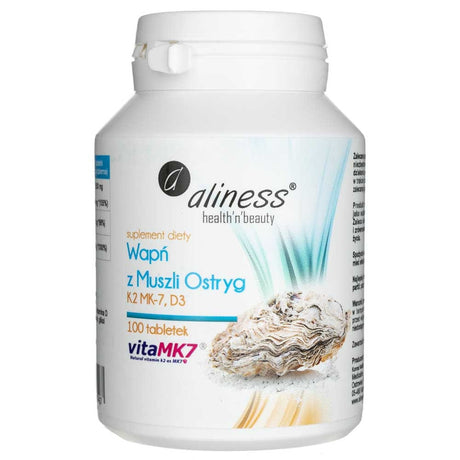


Aliness
Aliness Vápník ze skořápek ústřic s vitaminem K2 MK-7 a D3 - 100 tablet
Běžná cena 269,00 KčJednotková cena2,69 Kč za každou položku
Solgar
Solgar Vápník a hořčík s vitaminem D3 - 150 tablet
Běžná cena 427,00 KčJednotková cena2,85 Kč za každou položku


Vitaler's
Vitaler's Citrát vápenatý 1200 mg + vitamin D3 2000 IU – 60 kapslí
Běžná cena 164,00 KčJednotková cena2,73 Kč za každou položku
 5% sleva
Life Extension
Life Extension Citrát vápenatý s vitaminem D - 200 kapslí
Akční cena 632,00 Kč Běžná cena 666,00 KčJednotková cena3,16 Kč za každou položku
Pokud byste chtěli prozkoumat vápník v kombinaci s jinými minerály, navštivte náš Kategorie minerálů nabízí širokou škálu možností — včetně hořčíku, zinku, a komplexů více minerálů, které doplňují vápník pro komplexní nutriční podporu.
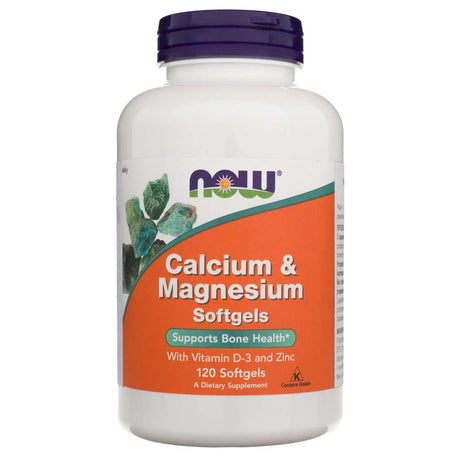


Now Foods
Now Foods Vápník a hořčík - 120 měkkých gelů
Běžná cena 286,00 KčJednotková cena2,38 Kč za každou položku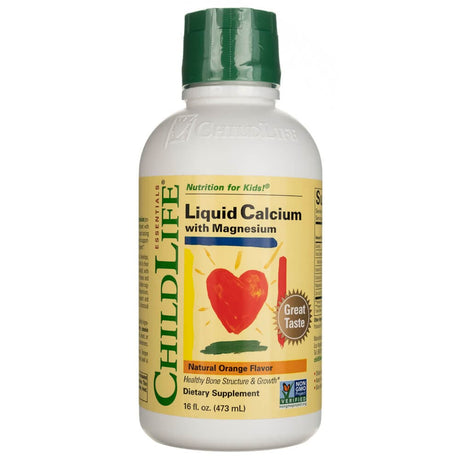


ChildLife
ChildLife Tekutý vápník s hořčíkem, Přírodní pomerančová příchuť - 473 ml
Běžná cena 610,00 KčJednotková cena1.289,64 Kč /l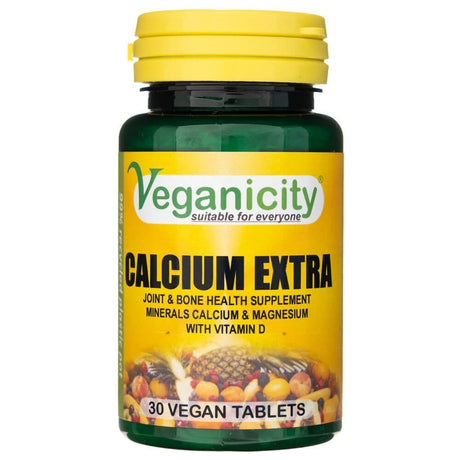

 12% sleva
Veganicity
Veganicity Calcium Extra + Magnesium + Vitamin D - 30 tablet
Akční cena 115,00 Kč Běžná cena 130,00 KčJednotková cena3,83 Kč za každou položku


Medverita
Medverita Citrát vápenatý 500 mg - 120 kapslí
Běžná cena 127,00 KčJednotková cena1,06 Kč za každou položku
Všechny produkty na Medpak jsou Hipp dodávány z Evropské unie — rychlé doručení, bez celních poplatků, po celé Evropě.


Tento článek má pouze informativní charakter a nenahrazuje lékařskou radu. Máte-li zdravotní potíže, jste-li těhotná, kojíte nebo užíváte léky, poraďte se s lékařem nebo lékárníkem. Doplňky stravy nenahrazují pestrou stravu.


